Poetry has always been where voices rise when other spaces fall silent. In today’s world, some of the strongest and most unflinching voices belong to women poets. Their words do more than tell personal stories. They challenge systems, confront silence, and open conversations about identity and power that resonate far beyond the page.
Why is this happening now? Because women poets are bringing honesty into spaces that have long avoided it. They write about survival, trauma, love, motherhood, migration, and resilience without softening the edges. This kind of writing does not only speak to women. It speaks to anyone who has struggled to find belonging, to anyone who has felt invisible, and to anyone who has needed courage to say what was once unspeakable.
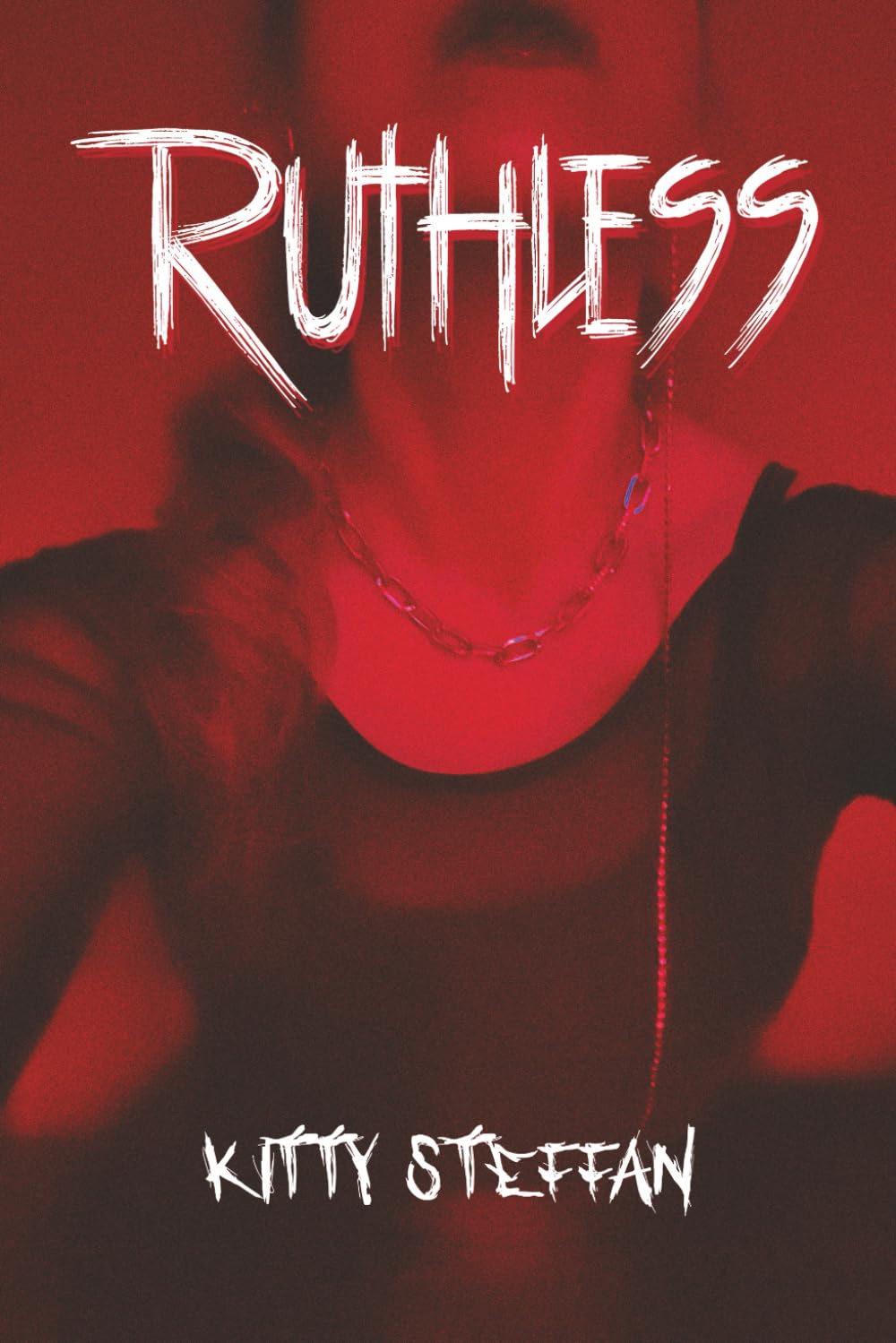
Kitty Steffan’s debut collection, Ruthless, shows how powerful this can be. Her poems emerge from two worlds: her Romanian roots and her life in Sweden. From these places, she writes with both tenderness and defiance. She gives voice to the women in her family who carried strength through war, poverty, and survival, while also expressing her rebellion and reinvention in a new country. In doing so, she speaks for herself and countless others navigating questions of identity and power.
Readers will find that her work does not separate the personal from the political. A poem like “Groundmother” turns family memory into a meditation on mortality, while Ruthless becomes a declaration of agency, refusing to soften or apologize. It is the strength of women poets today: they blur the line between confession and cultural commentary, showing that personal wounds and collective histories shape identity.
What makes these conversations so engaging is that they invite readers in. You don’t feel like you’re standing outside a story when you read Ruthless. You feel part of it. You feel the sting of loss, the fire of rebellion, and the quiet survival strength. That intimacy creates connection, and connection is what transforms poetry into power.
In a world full of noise, women poets cut through with clarity. They remind us that words are not just decoration but survival tools, instruments of resistance, and bridges toward understanding. Readers are drawn to this because it validates their own experiences. It says: your story, strength, and voice matter.
Kitty Steffan joins a growing chorus of women who are unafraid to speak in ways that once might have been silenced. Her book Ruthless is not just a poetry collection. It is part of a larger conversation about identity, belonging, and power that continues to shape our culture.
If you are searching for poetry that reflects the struggles and triumphs of real lives, and if you want to see how women poets are leading this conversation today, Ruthless is a book you’ll want to read.