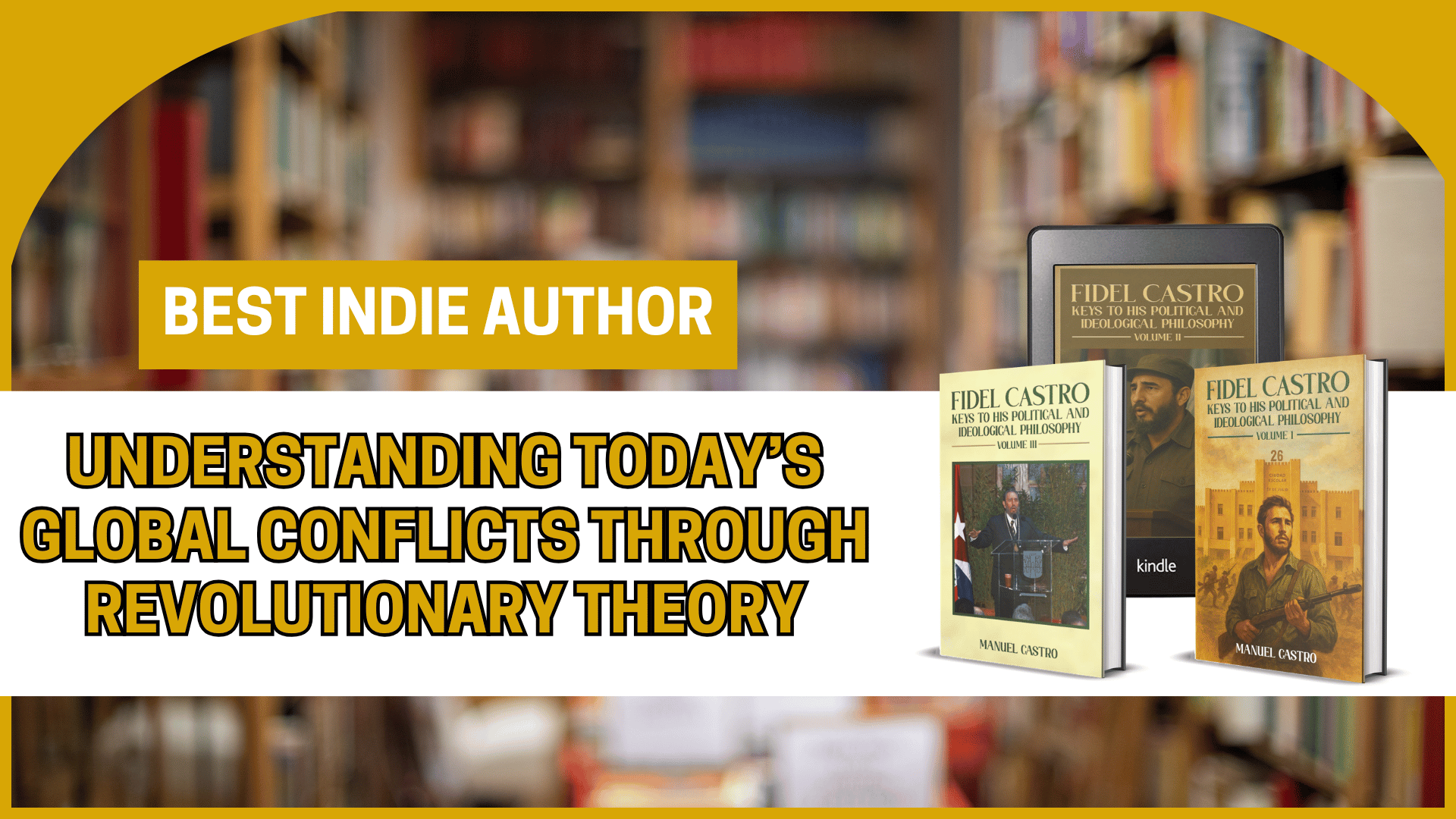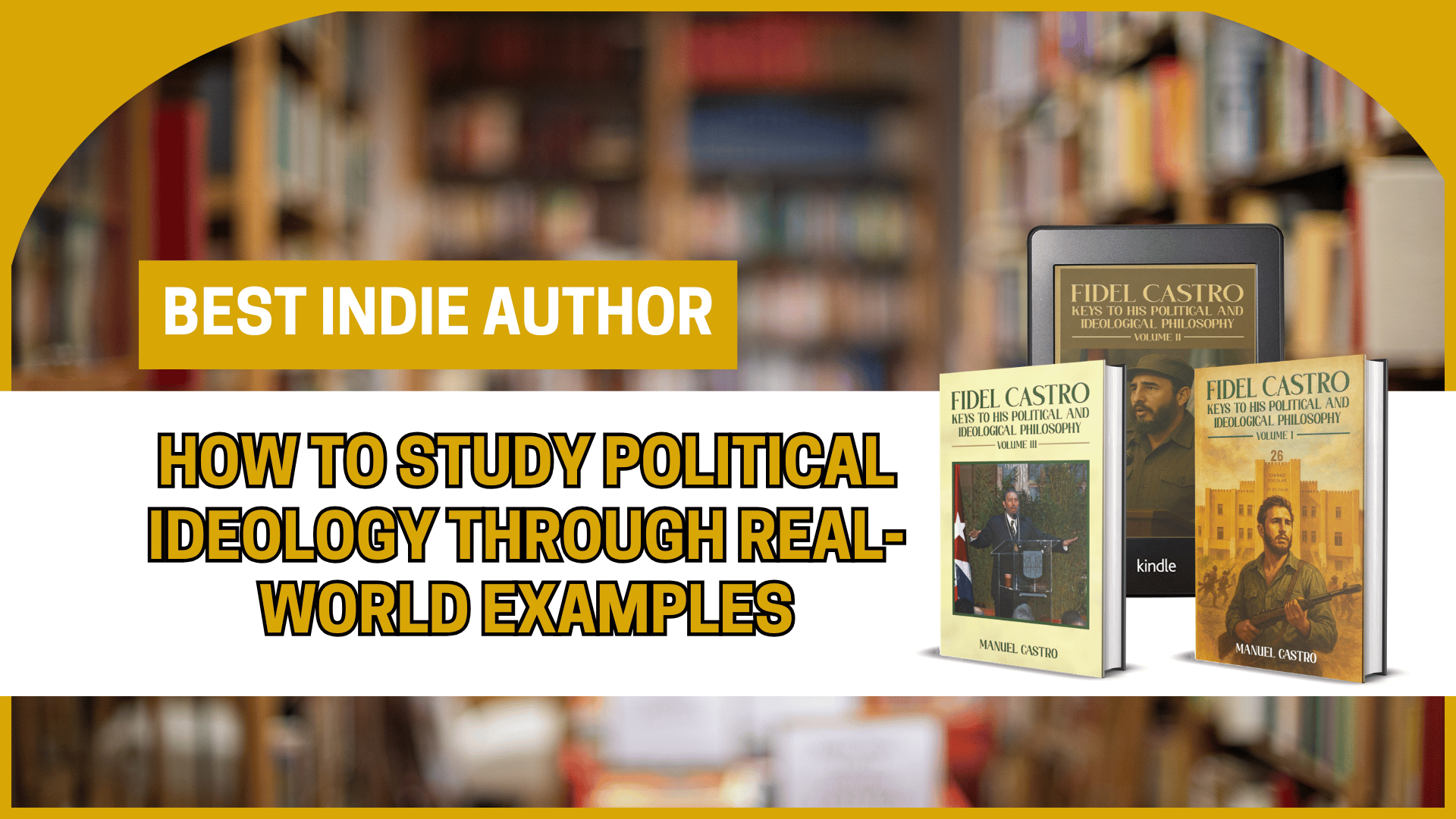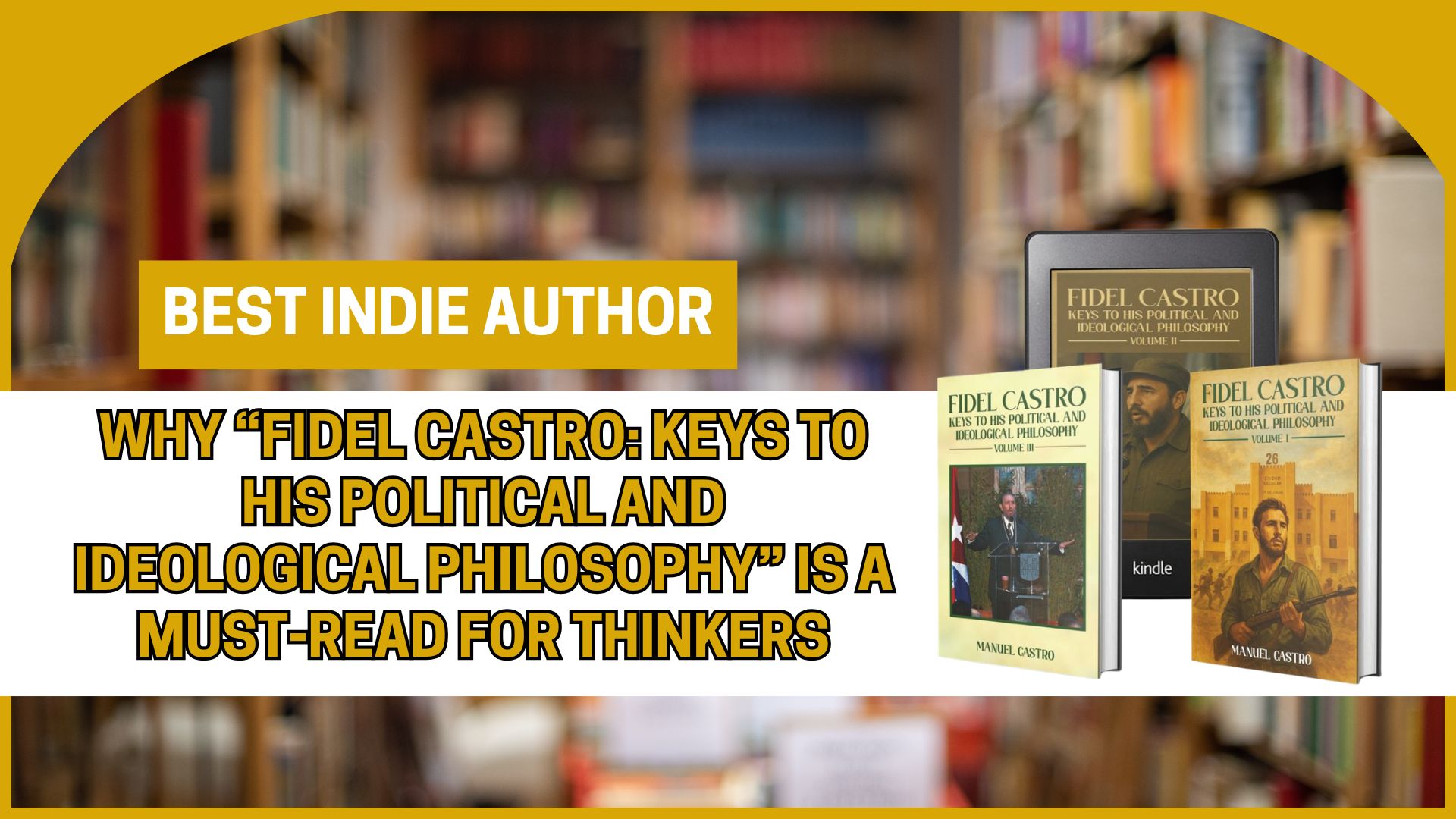
In a world shaped by shifting power structures, economic uncertainty and ideological debates, serious thinkers are constantly searching for works that go beyond surface-level analysis. Books that challenge assumptions, provoke critical thought and offer structured insight into how societies evolve are rare. Fidel Castro: Keys to His Political and Ideological Philosophy by Manuel A. Castro stands out as one of those rare works, a comprehensive intellectual resource designed for readers who want to understand not just history, but the ideas that drive it.
At the center of this series is the political and philosophical legacy of Fidel Castro, one of the most influential and controversial figures of the modern era. While many books focus on events or personal narratives, this three-volume collection takes a different approach. It systematically analyzes the ideological foundations behind Castro’s leadership, offering readers a deeper understanding of how political thought can shape national and global realities.
What makes this series particularly compelling for thinkers is its emphasis on structure and depth. The books organize more than 300 key concepts ranging from revolution and socialism to international relations and economic systems into a coherent framework. These ideas are not presented as isolated theories but as interconnected elements of a larger philosophical system. For readers who value intellectual clarity, this approach provides a powerful way to engage with complex material.
One of the central themes explored in the series is the idea of revolution as a multidimensional process. Rather than viewing it as a single political event, the books present revolution as a transformation that affects every aspect of society, including culture, education, economics and ethics. This perspective encourages readers to rethink traditional definitions of change and consider the broader forces that influence societal development.
Another key reason this series is a must-read is its focus on the role of ideology in shaping global systems. The books delve into topics such as imperialism, inequality and national sovereignty, offering insights that remain highly relevant in today’s geopolitical landscape. For thinkers interested in understanding why certain patterns persist in global politics, this work provides valuable context and analysis.
The importance of communication and leadership is also a recurring theme. Fidel Castro was known for his ability to articulate complex ideas in a way that resonated with the masses. His speeches served not only as political tools but also as instruments of education and ideological formation. By examining these elements, the series highlights how effective communication can influence public consciousness and drive long-term change.
What truly sets this work apart, however, is its ability to bridge theory and practice. Many philosophical texts remain abstract, making them difficult to apply to real-world situations. In contrast, this series demonstrates how ideas are translated into policies, movements and historical outcomes. For thinkers who want to connect intellectual frameworks with tangible results, this makes the books especially valuable.
The series also invites readers to engage critically with its content. Rather than presenting a one-dimensional perspective, it encourages analysis, reflection and debate. This makes it an ideal resource for those who value independent thinking and intellectual exploration. Whether you agree or disagree with the ideas presented, the process of engaging with them can deepen your understanding of political and social dynamics.
In today’s fast-paced information environment, where opinions are often simplified and reduced to headlines, works like Fidel Castro: Keys to His Political and Ideological Philosophy offer something different: depth, rigor and substance. They challenge readers to slow down, think critically and explore the underlying forces that shape the world.
Ultimately, this series is more than a study of one leader; it is a gateway to understanding how ideas influence history, societies and the future. For thinkers seeking meaningful insight and intellectual growth, it is not just recommended, it is essential.