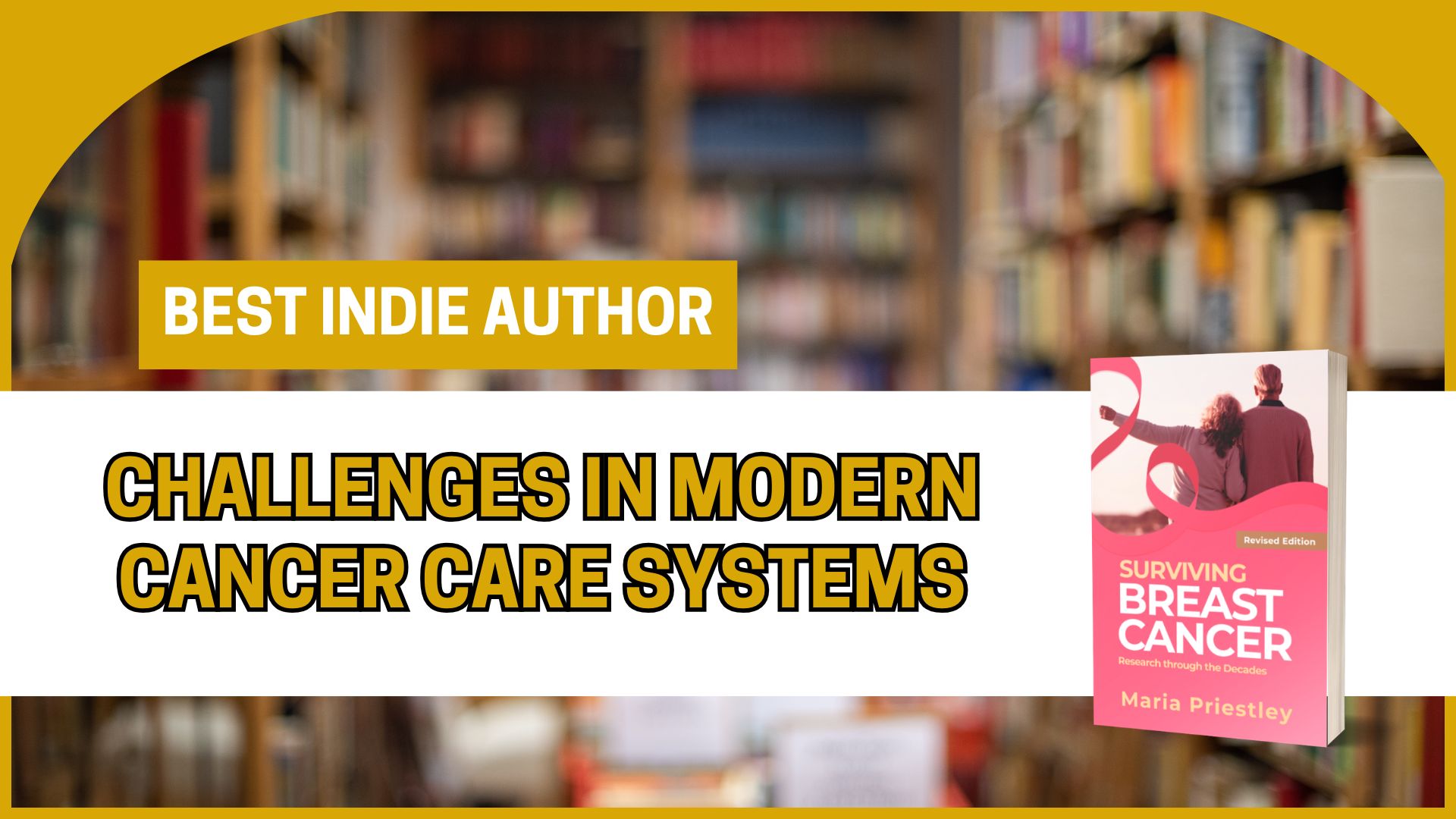
Modern cancer care has made remarkable progress, yet behind the advancements lies a system that still struggles to meet every patient’s needs. While treatments have improved and survival rates continue to rise, the experience of navigating care can remain complex, inconsistent, and at times overwhelming. In Surviving Breast Cancer: Research through the Decades, Maria Priestley brings these realities into focus through personal perspectives and the lived experiences of patients across different eras.
One of the most pressing challenges is communication. Clear, timely, and compassionate communication should form the foundation of care, yet patients often encounter gaps. Confusion around appointments, unclear explanations of diagnoses, or inconsistent information from different professionals can heighten anxiety at an already vulnerable time. When individuals are faced with life changing news, even small misunderstandings can feel magnified. Effective communication is not simply about delivering information, it is about ensuring understanding and emotional support.
Another issue lies in the coordination of care. Cancer treatment often involves multiple departments, specialists, and procedures. Without seamless coordination, patients may feel as though they are being passed from one stage to another without clarity or continuity. Delays, scheduling errors, and fragmented systems can create frustration and uncertainty. A patient’s journey should feel guided and structured, yet this is not always the case.
Emotional support remains an area where care systems can fall short. While physical treatment is prioritized, the psychological impact of cancer is profound. Fear, uncertainty, and isolation can weigh heavily on patients and their families. Access to counseling, support groups, and empathetic care varies widely. Some individuals receive strong support, while others are left to cope largely on their own. A truly effective system must address both the body and the mind.
Access to treatment is another challenge that cannot be ignored. Differences in location, resources, and funding can influence the availability of certain therapies. Not all patients have equal access to the latest treatments or specialized care. This imbalance can lead to difficult decisions and added stress for those already facing a serious diagnosis. The question of who receives what level of care remains a sensitive and ongoing concern.
Time pressure within healthcare environments also affects the quality of patient experience. Medical professionals often work under demanding conditions, managing high patient volumes with limited time. While their expertise is unquestionable, the lack of time can limit meaningful interaction. Patients may leave consultations with unanswered questions or a sense that their concerns were not fully heard. Even brief moments of genuine attention can make a significant difference.
Another overlooked challenge is the transition from treatment to survivorship. Completing treatment does not mark the end of the journey. Patients must adjust to physical changes, ongoing health monitoring, and the emotional aftermath of their experience. Without structured follow up care and guidance, many feel uncertain about how to move forward. Survivorship requires continued support, not just medical clearance.
There is also the challenge of patient empowerment. While modern care encourages involvement in decision making, not every patient feels equipped to take on this role. Medical terminology, complex choices, and emotional strain can make it difficult to engage fully. Systems must ensure that patients are not only given options but are also supported in understanding them.
Surviving Breast Cancer: Research through the Decades by Maria Priestley captures these challenges with honesty and depth. Through real stories and thoughtful reflection, the book sheds light on both the progress made and the areas still needing attention. It offers readers a clearer view of what patients face within the system and why continued improvement is essential.
For those seeking a deeper understanding of cancer care beyond statistics and clinical language, this book provides a meaningful and human perspective.
Book available on Amazon: https://www.amazon.com/dp/B0GHGBLD54.