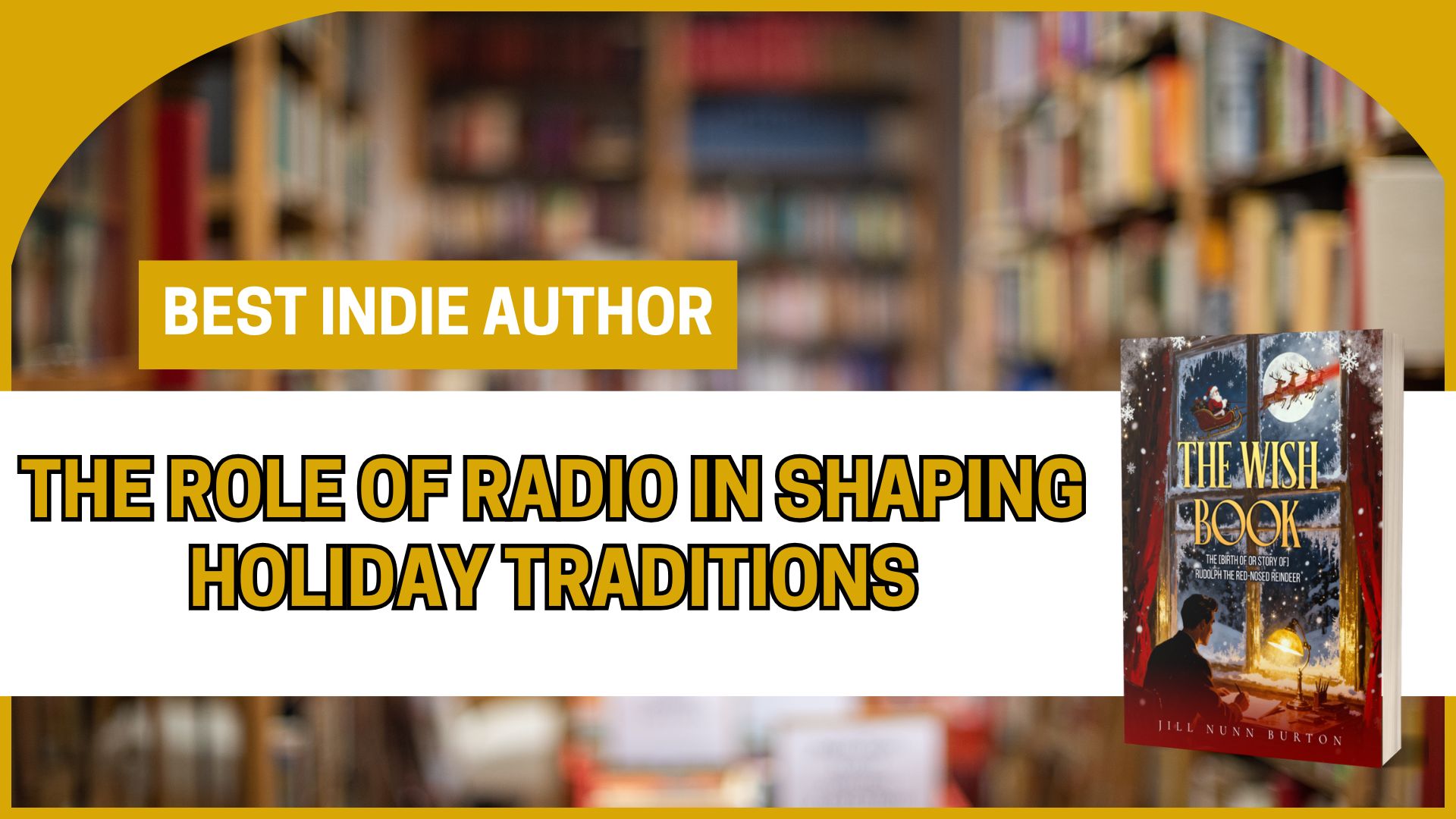
In the late 1930s, as the country emerged from the depths of the Great Depression, the radio became an essential part of American life, especially during the holiday season. For families like the Mays in The Wish Book, radio was more than just a source of entertainment—it was a window to the world, a bridge to tradition, and a comforting constant in times of uncertainty.
Radio programs provided a sense of connection that was especially important during the the Depression, both for global communication and entertainment. In an era when television was not yet widespread, families gathered around the radio to listen to festive music, news, and stories that marked the holiday season. This ritual, ingrained in the lives of many Midwestern families, was more than a way to pass the time. It created a sense of unity and a shared experience that bound people together despite their individual struggles.
In The Wish Book, the radio plays a crucial role in setting the stage for a timeless holiday tale. The story unfolds in the winter of 1939, during the golden age of radio, when programs like Little Orphan Annie, musical broadcasts, and Christmas specials filled the airwaves. For Robert and Lynnie, the radio was a lifeline. It was their source of news, entertainment, and even a means of escape from the mounting pressures of everyday life. Yet, it also provided a sense of togetherness for their young daughter, Barbara, whose imagination was sparked by the stories she heard and the music she loved.
The connection between the Mays and their radio is deeply symbolic. The constant hum of the radio in the background represents a family’s efforts to stay connected to the outside world despite their isolation. As Barbara listens intently to her favorite childrens’ programs, Robert and Lynnie find comfort in the familiar sounds that accompany them through difficult times. The radio brings the magic of the season into their home, allowing them to briefly forget their financial troubles and the uncertain future that lay ahead.
One of the most striking elements of The Wish Book is how it explores the intersection of personal and collective holiday experiences. While the Mays’ family struggles with health, finances, and the pressures of the season, the radio offers them a glimpse of a wider, more festive world. This connection to the outside world through music, storytelling, and holiday programming shaped not just the Mays’ holiday traditions, but those of countless other families across the country.
The role of radio in shaping holiday traditions can’t be overstated. It was a medium that allowed people to experience the magic of Christmas, even when they couldn’t afford the toys or trinkets that filled store shelves. Families may not have had much, but they had the radio. They had the music, the stories, and the news – a connection to something larger than themselves.
The Wish Book beautifully encapsulates the role of radio in shaping the holidays, showing how a simple idea sparked by a storyteller’s imagination could become a cultural touchstone. Through Robert’s contest entry at Montgomery Ward, the story of Rudolph was born, spreading joy and comfort to families everywhere. It is this sense of shared holiday tradition, broadcast over the airwaves and brought into the home, that The Wish Book celebrates so vividly.
The radio was not just a tool for entertainment; it was an essential part of the fabric of holiday life in the 1930s. And in The Wish Book, its influence lives on, as it helps to tell the story of a Christmas miracle that continues to inspire us all.
Visit my Profile : https://www.facebook.com/JillNunBurtonAuthor