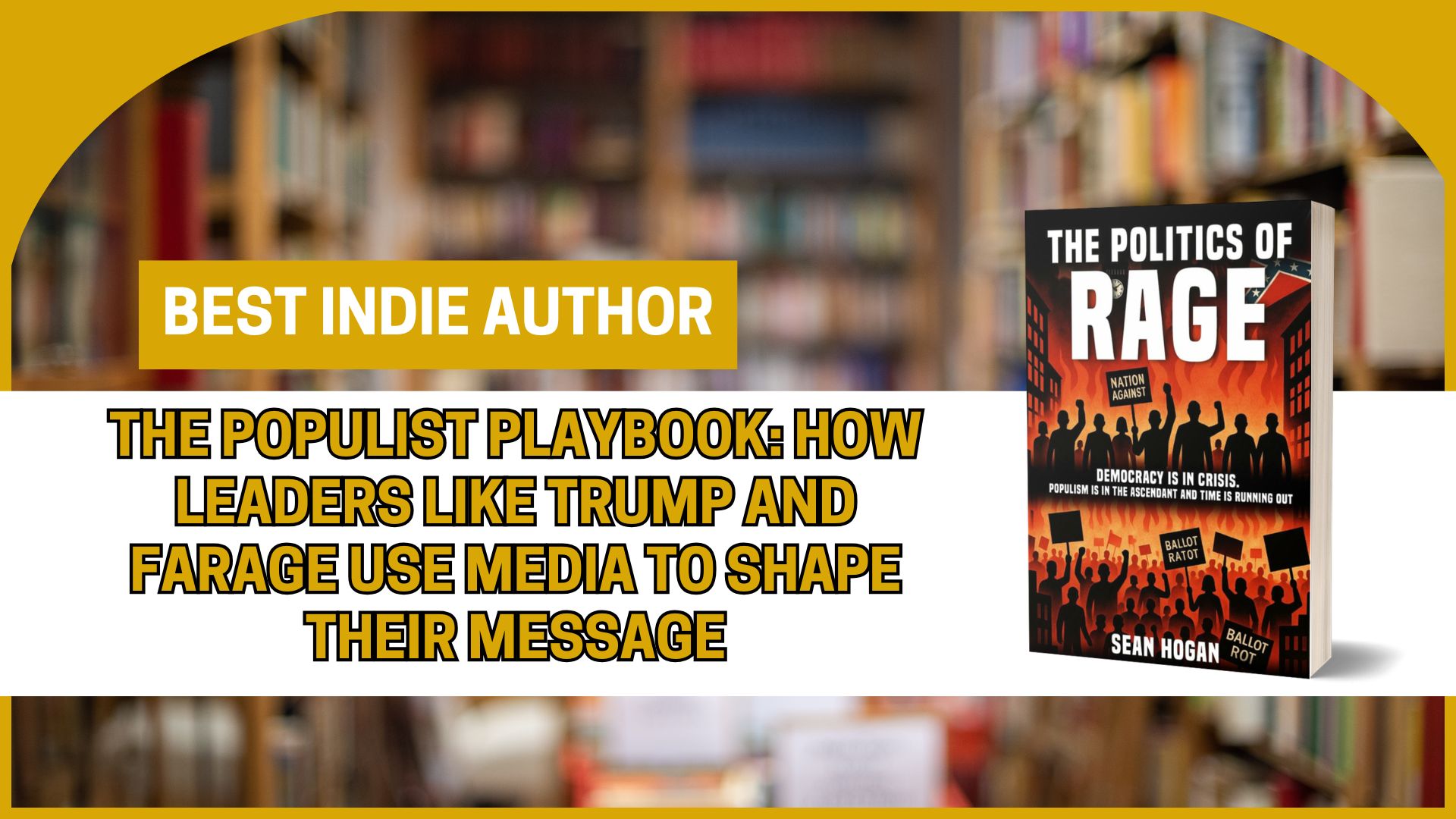
Populist leaders like Donald Trump and Nigel Farage have revolutionized the way political messages are communicated, using media to bypass traditional channels and speak directly to their supporters. In The Politics of Rage, the author delves into the tactics that populist figures employ to dominate the media landscape, control narratives, and maintain a firm grip on their political bases. These leaders understand the power of media in shaping public perception and use it as a tool to further their agendas, creating polarized political environments that are often difficult to navigate.
One of the most striking aspects of the populist playbook is the strategic use of social media. Trump and Farage both harnessed platforms like Twitter, Facebook, and Instagram to communicate their messages directly to the public. By utilizing these platforms, they bypassed traditional media filters, allowing them to control the narrative and speak unfiltered to their supporters. In the case of Trump, his tweets became central to his political persona, often setting the agenda for news coverage and shaping public discourse. His tweets, often controversial and combative, dominated headlines, ensuring his message remained at the forefront of the media cycle.
Similarly, Farage’s use of social media during the Brexit campaign played a crucial role in rallying support for leaving the European Union. Farage, with his direct and provocative language, was able to reach a vast audience, galvanizing support for the “Leave” movement. Social media allowed him to frame the debate, presenting a populist narrative that resonated with many Britons who felt disconnected from the political elite. The ability to use social media as a megaphone for their message allowed populist leaders to rally their base and amplify their criticisms of mainstream media and political establishments.
In addition to social media, populist leaders like Trump and Farage are adept at manipulating traditional media outlets to further their goals. They often engage in a strategy of confrontation with the press, attacking journalists and media outlets that they perceive as hostile or biased. This combative relationship with the media serves two purposes. First, it reinforces their narrative that the mainstream media is part of the “elite” establishment that is out of touch with the people. Second, it generates media coverage, ensuring that their words and actions remain in the public eye. Trump’s frequent accusations of “fake news” were a deliberate tactic to discredit media outlets that contradicted his views. This created a climate of distrust toward the press, allowing Trump to present himself as the only trustworthy voice.
Farage, too, used similar tactics during the Brexit campaign. By framing the media as part of a pro-EU establishment, he was able to cast himself as a champion of the common people. Farage’s repeated criticisms of the media allowed him to position himself as an outsider fighting against the corrupt establishment, which resonated with many voters who felt marginalized by traditional political elites. This strategy of attacking the media helped both Trump and Farage maintain their image as anti-establishment figures, despite their own political power.
Populist leaders also excel at using media to create a sense of urgency and crisis. They often frame their messages around the idea that the nation is in peril, whether due to immigration, economic decline, or external threats. By amplifying these fears, they create a narrative that positions themselves as the only solution to these crises. This sense of urgency encourages supporters to take action, often casting political opponents as enemies of the people. In The Politics of Rage, the author explores how Trump’s rhetoric around immigration, particularly his portrayal of migrants as a threat to American values, was amplified by the media and helped to solidify his base. Similarly, Farage capitalized on fears of immigration during the Brexit campaign, using media to highlight concerns about national identity and sovereignty.
The populist playbook also includes a heavy reliance on emotional appeals. Trump and Farage both understood the power of emotion in shaping political discourse, often using inflammatory language and divisive rhetoric to stir anger and frustration among their supporters. By appealing to emotions like fear, anger, and nostalgia, they were able to create a sense of solidarity among their base while deepening divisions within the broader public.
In The Politics of Rage, the author provides an in-depth analysis of how populist leaders manipulate media to shape their political messages. By examining the strategies used by figures like Trump and Farage, the book sheds light on the powerful role media plays in modern populist politics. These leaders have mastered the art of media manipulation, using social media and traditional outlets to dominate the political conversation, discredit their opponents, and maintain control over their narrative. As populism continues to rise globally, understanding these tactics is essential for navigating the complexities of modern political communication. The book offers crucial insights into the intersection of media, populism, and democracy, providing a comprehensive view of the challenges posed by media-driven populism.
Find out in this essential read, available on Amazon https://www.amazon.com/dp/B0FHBDWJD4/