A person’s identity often feels permanent. It is built from memories, beliefs, habits, relationships, and the sense of control someone has over their own life. Yet identity can change when a person is placed under constant pressure. Psychological conditioning can slowly alter how someone thinks, reacts, speaks, and understands who they are.
Conditioning usually does not happen through one dramatic event. It develops through repetition. When the same rules, rewards, punishments, and expectations are applied again and again, the mind begins to adjust. A person may resist at first, but isolation and dependence can weaken that resistance. Over time, survival may become more important than independence.
Control over daily routines is one of the strongest tools of psychological conditioning. When another person decides when someone eats, sleeps, speaks, moves, or receives comfort, personal choice begins to disappear. The controlled person may start following instructions automatically. This response is not always acceptance. It may be the mind’s way of reducing fear and avoiding punishment.
Language can also reshape identity. Names, titles, and repeated phrases influence how people see themselves. When someone is denied their name or required to use a different one, the change can create distance from their former life. The person may gradually stop thinking in familiar terms and begin accepting the identity created for them.
Isolation makes this process more powerful. Without friends, family, familiar surroundings, or outside opinions, the controlled person has fewer reminders of who they used to be. The captor or authority figure becomes the main source of information, approval, security, and punishment. This can confuse emotional boundaries and create dependence.
Rewards are just as influential as fear. Food, affection, comfort, praise, or temporary freedom may become powerful when they are carefully controlled. The person begins connecting obedience with relief. Eventually, they may seek approval from the same individual responsible for their suffering. This emotional conflict can make it difficult to separate genuine desire from learned behaviour.
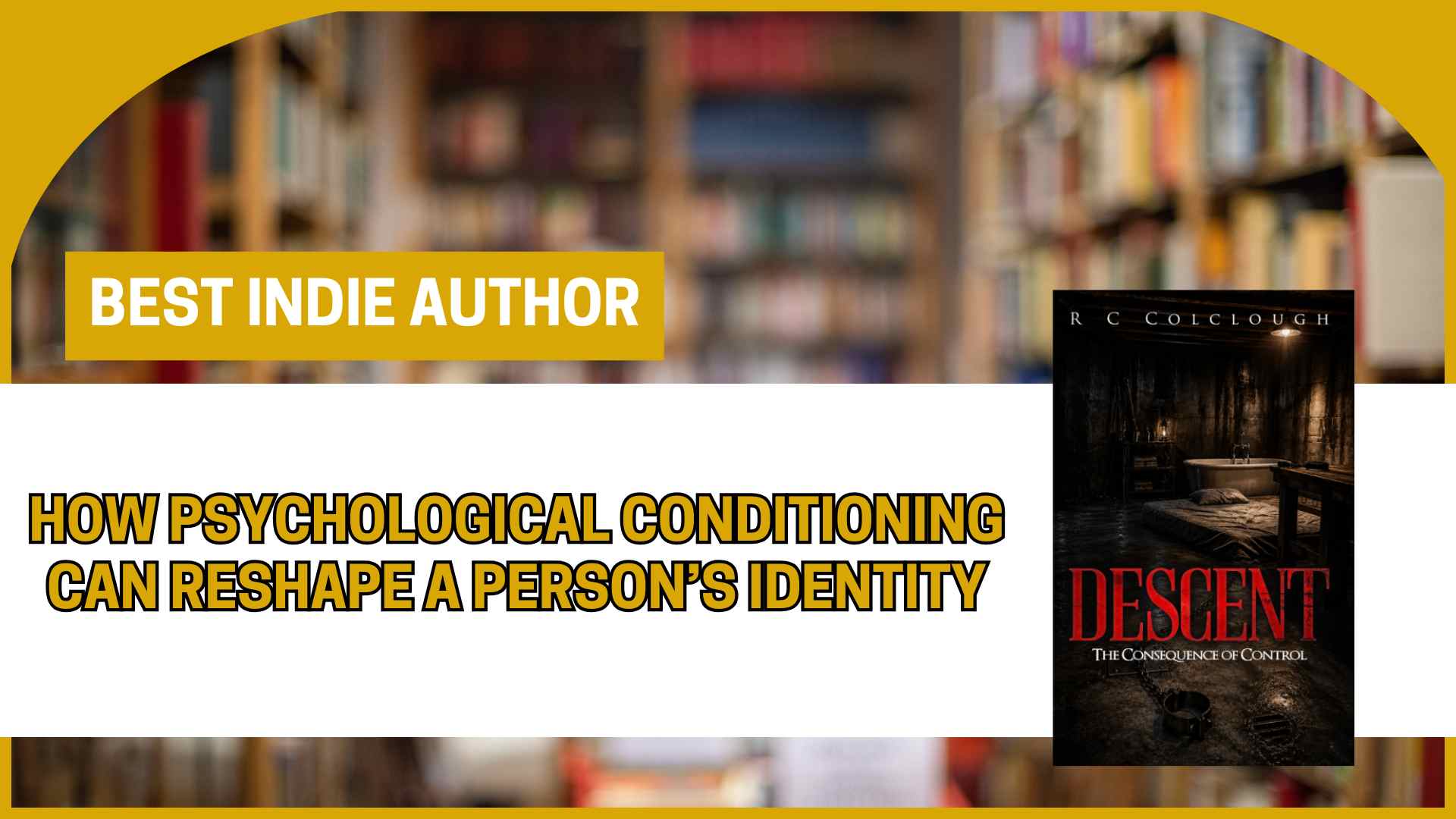
In Descent, R C Colclough explores these disturbing psychological changes through a dark story of control, captivity, and personal transformation. Sheila enters the situation believing that her willpower and identity cannot be broken. As her surroundings, routines, language, and relationships are controlled, that confidence is tested. Her gradual transformation into Lilith raises difficult questions about free will, survival, dependence, and the fragile nature of identity.
The novel does not offer a comfortable journey. Instead, it places readers inside a troubling experiment in psychological influence. It asks whether identity is truly fixed or whether it can be rewritten when someone controls every part of a person’s environment.
Readers interested in dark psychological fiction, coercive control, moral conflict, and extreme character transformation may find Descent a provocative and unsettling read.