Professional networking is often associated with formal events such as conferences, online platforms or conversations with people outside your company. Yet, there are other ways to expand your network. Some of the most valuable career connections may already be working in a few internal offices nearby.
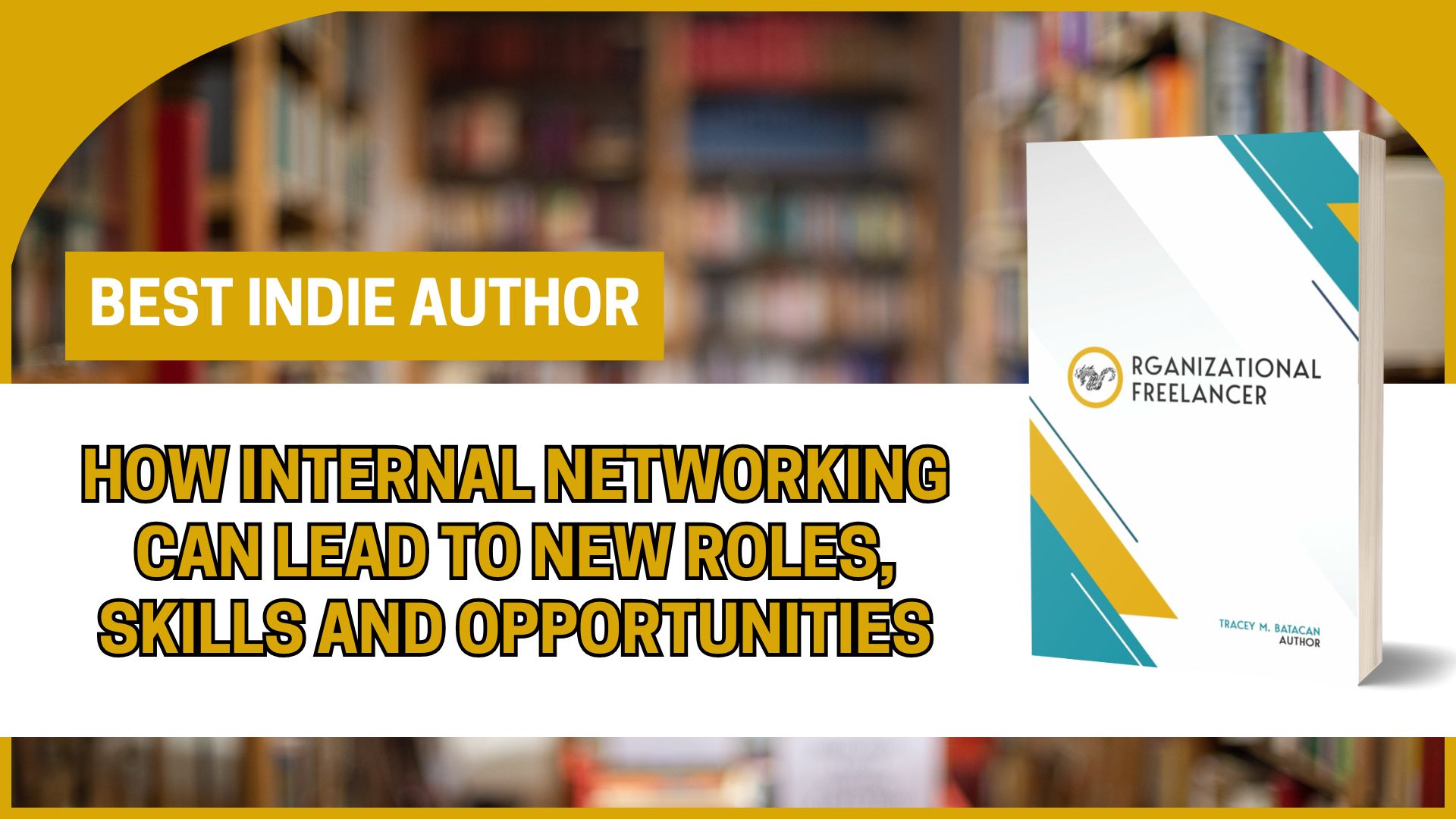
Internal networking allows employees to build relationships across an organization, learn how other teams operate and become visible to people beyond their immediate supervisors. In Organizational Freelancer, author Tracey M. Batacan shows how these connections can lead to new assignments, stronger skills, mentorship and unexpected career opportunities.
Internal Networking Expands Your Professional World
Employees can easily become confined to the same meetings, tasks and group of coworkers. Although it may feel like a stagnate routine, it can also limit exposure to new ideas and prevent others from discovering what you can contribute.
Batacan encourages professionals to work beyond formal team boundaries by offering their expertise to internal clients. An employee with writing, design, technology, research or project management skills may be able to support another department facing a specific challenge. This creates value for the organization while giving the employee experience outside a normal job description.
The book explains that collaborating with different groups can introduce professionals to new colleagues, mentors and potential career paths. Internal freelance work may even lead to rotational assignments, exciting projects or another role within the organization.
New Relationships Often Lead to New Skills
Internal networking is not simply about collecting names or business cards. It is about learning from people with different expertise.
Working with another department may require you to understand unfamiliar processes, tools, audiences or communication styles. A marketing employee might learn about data analysis while supporting a research team. A technical professional may strengthen presentation skills by collaborating with the communications staff. A project coordinator may gain leadership experience by bringing several departments together. Each connection creates an opportunity to observe how other professionals solve problems. Over time, these experiences can make you more adaptable and valuable.
Visibility Creates Career Opportunities
Good work can go unnoticed when it remains visible only to a small circle. Think of this tactic as visibility marketing for your personal brand because it gives more people a chance to see your innovative skills, reliability, creativity and ability to collaborate.
Batacan describes organizational freelancers as dependable professionals who become known for completing projects, researching solutions and supporting others. They also build relationships with subject-matter experts who can contribute to future assignments.
When leaders across the organization recognize your abilities, they may think of you when a temporary project, promotion, committee or new position becomes available. These opportunities often grow from trust developed through previous collaboration.
Relationships Must Be Maintained
Successful networking does not end when a project is finished. Stay connected with former collaborators, offer support when appropriate and share useful information without expecting an immediate favor.
At the same time, avoid treating every relationship like a transaction. Genuine curiosity, active listening and respect create stronger professional connections than constant self-promotion.
Organizational Freelancer by Tracey M. Batacan offers practical guidance for professionals who want to create career momentum from within their current workplaces. It demonstrates that growth does not always begin with submitting applications elsewhere.
Sometimes, the next role, valuable skill or defining opportunity starts with a conversation across the hall.