Every workplace has someone people trust when an important project needs attention. This person may not have the highest title in the room, but colleagues know they will listen, contribute useful ideas, solve problems, and follow through on commitments. Becoming that person can change the direction of a career.
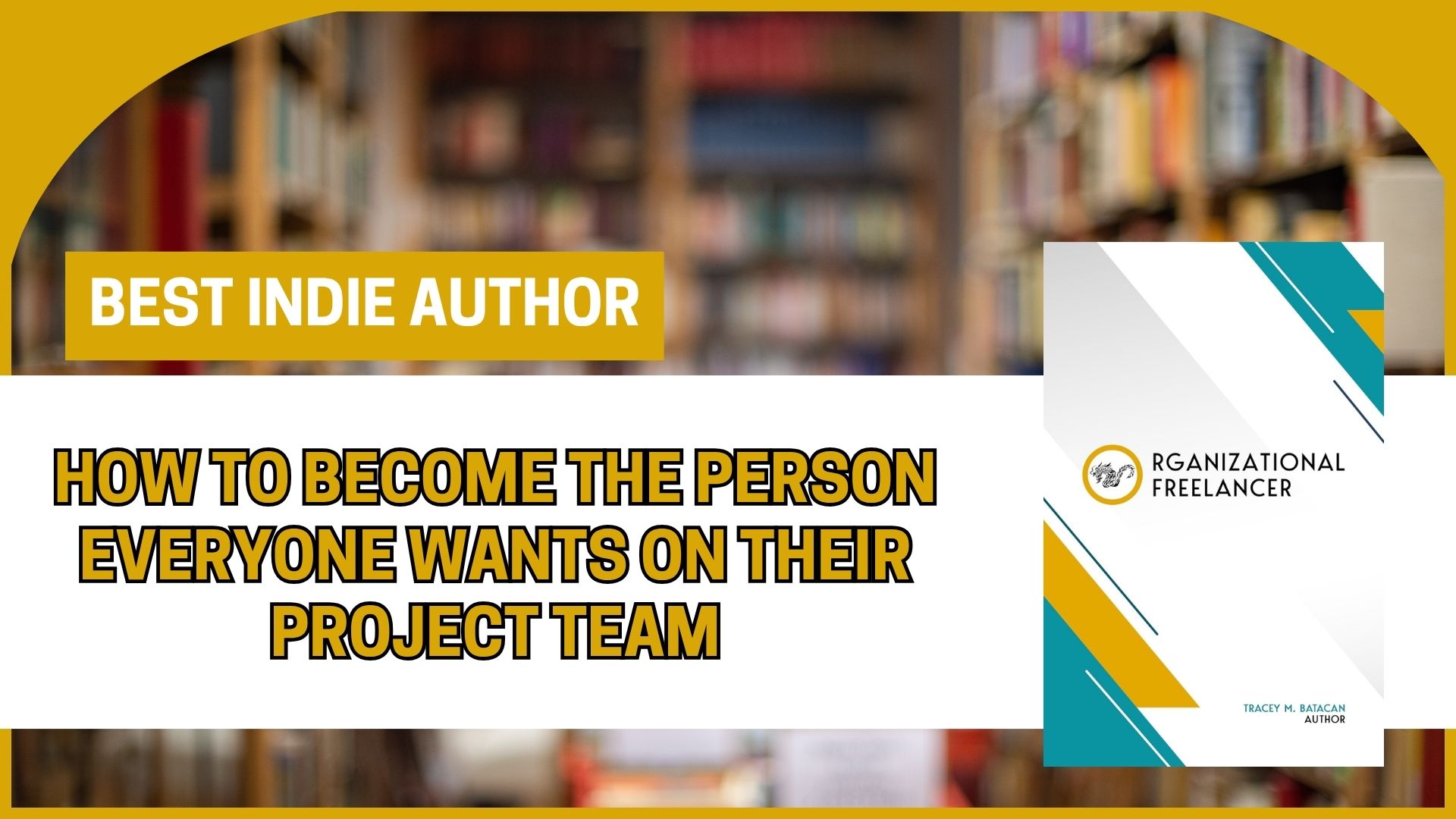
In Organizational Freelancer, Tracey M. Batacan explores how professionals can build this reputation by taking initiative and contributing beyond the limits of their regular assignments. The organizational freelancer does not simply wait for instructions. This person notices where help is needed and looks for practical ways to contribute while still meeting primary responsibilities.
Reliability is one of the first qualities people remember. Project teams depend on members who complete assignments on time, communicate when circumstances change, and keep others informed. Talent may earn someone a place on a project, but consistency makes colleagues want to work with that person again.
Listening is equally important. Strong team members do not enter every discussion determined to prove that their idea is the best one. They pay attention to what others are saying, ask useful questions, and consider different viewpoints before responding. Listening can reveal concerns, resources, and solutions that might otherwise be missed.
The ability to work with different personalities also matters. Temporary project teams often bring together people from separate departments who have different responsibilities, priorities, and communication styles. A valuable team member learns how to work with diverse groups of people, welcomes all ideas and that help remove unnecessary barriers to positive changes.
Initiative can make an even greater difference. When a problem appears, people remember the colleague who begins looking for solutions instead of waiting for someone else to act. This does not mean taking control of every situation. It means being willing to research, suggest options, connect with knowledgeable people, and help move the work forward.
Good team members also share credit. Successful projects rarely belong to one person. Recognizing the contributions of others builds stronger professional relationships and encourages future collaboration.
Batacan also stresses the importance of creating a network of trusted experts. No professional knows everything. Knowing who to contact for advice, specialized knowledge, or another perspective can make someone far more effective when a difficult assignment arrives.
Organizational Freelancer shows that becoming valuable at work is not simply about doing more. It is about becoming someone others can depend on for communication, creativity, collaboration, and sound judgment.
For professionals who want to expand their skills, strengthen workplace relationships, and become the person colleagues remember when meaningful projects arise, Organizational Freelancer offers lessons drawn from real professional experiences.
The next opportunity may begin with a simple question: How can I help this team succeed?
Discover this book and get your copies now from Amazon: https://www.amazon.com/dp/B0FHFBK3SG.