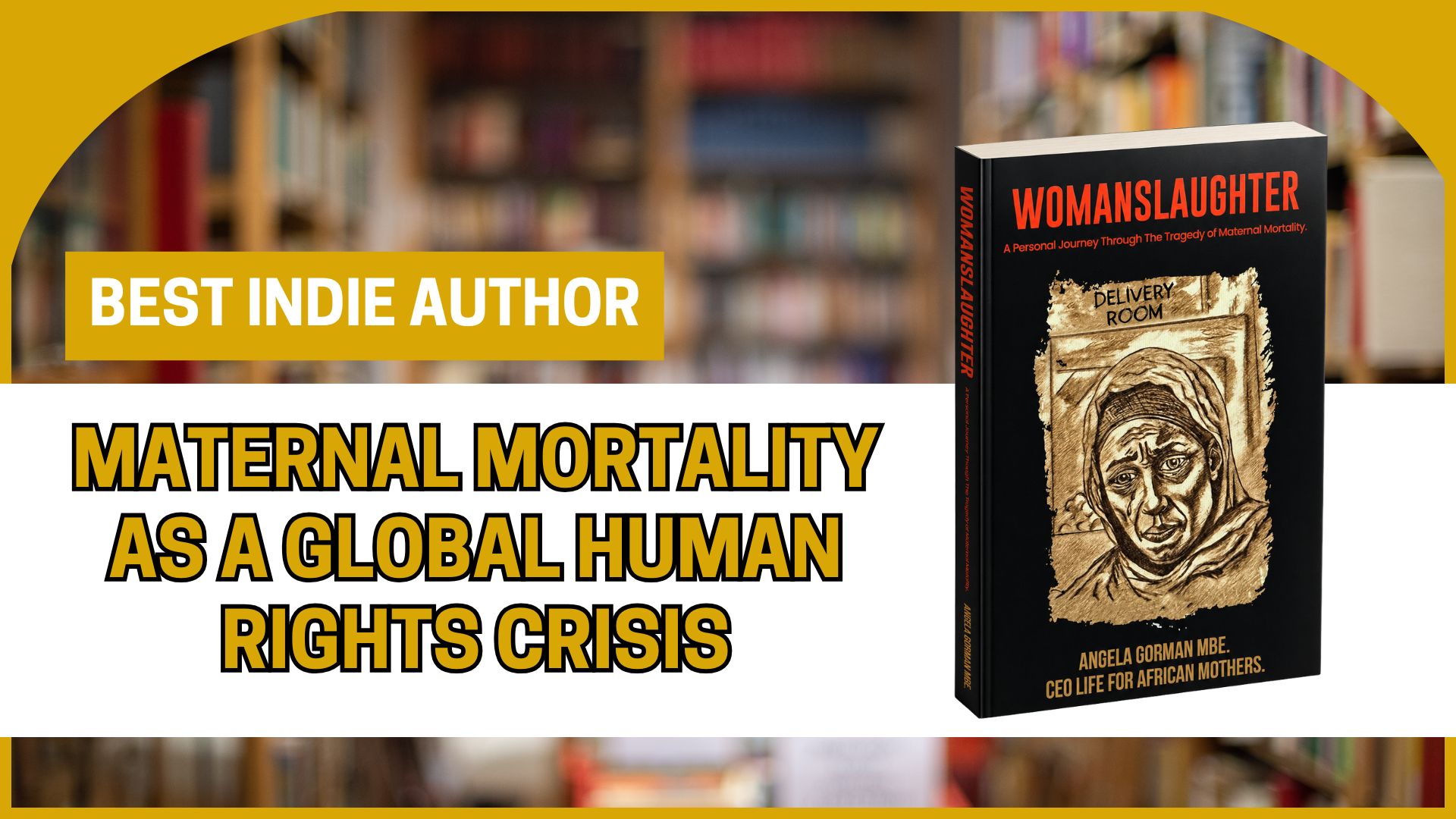
Pregnancy and childbirth should not become a death sentence. Yet many women continue to die from bleeding, infection, high blood pressure, unsafe procedures, and complications that could be treated with timely medical care. These deaths are often described as health statistics, but behind every number is a woman whose right to life, dignity, and safe treatment has been denied.
A woman’s chance of surviving childbirth is still closely connected to where she is born, how much money her family has, and whether medical care is available nearby. In many communities, hospitals lack trained staff, medication, clean water, electricity, blood supplies, and basic equipment. Families may be required to purchase antibiotics, needles, fluids, or surgical materials before treatment can begin. When they cannot afford these items, precious time is lost.
The journey to medical care can be just as dangerous. Women may have to travel for hours across poor roads or walk to hospitals before labour starts because travelling at night is unsafe. Some arrive at facilities where one midwife is responsible for several women at once. Others discover that the hospital has no fuel for its generator or no medication to control bleeding and prevent seizures.
Maternal mortality is a human rights crisis because these women are not dying from unknown or untreatable conditions. In many cases, the knowledge and resources needed to save them already exist. The real problem is unequal access. A treatment that is routinely available in one country may be completely out of reach in another.
The loss of a mother also affects an entire family. Newborn babies face a greater risk of illness and death. Older children may leave school to care for siblings or earn money. Families can lose emotional support, income, stability, and security. The consequences can continue for generations.
In Womanslaughter: A Personal Journey Through the Tragedy of Maternal Mortality, Angela Gorman presents a personal account of this injustice. Her journey began after watching a television programme about women dying from preventable complications in Chad. As a neonatal nurse, she understood that many of those deaths could have been avoided with medication, equipment, and trained support.
Angela chose to act. Her decision led to fundraising, humanitarian visits, medical donations, staff training, and years of advocacy. She entered maternity wards with limited resources, met health workers carrying enormous responsibilities, and witnessed the difference that basic supplies could make.
Womanslaughter gives a voice to women whose deaths might otherwise remain hidden within reports and statistics. It is a powerful book for readers interested in women’s rights, nursing, public health, humanitarian work, and social justice. Above all, it asks a difficult question: if these deaths can be prevented, why are they still allowed to happen?
Find out in this essential read, available on Amazon https://www.amazon.com/dp/B0H8FKFQBZR