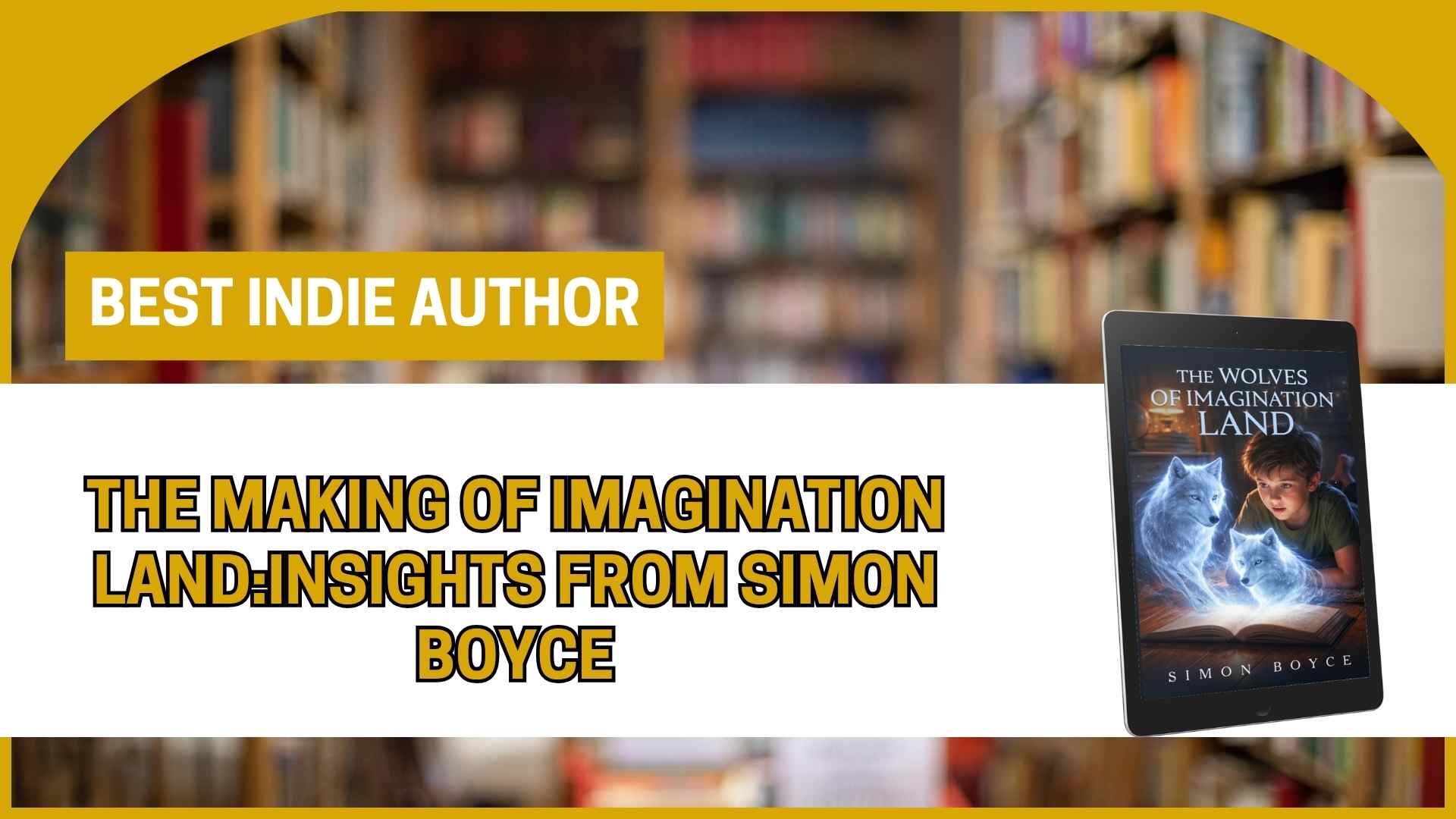
Creating a world like Imagination Land requires more than imagination; it requires careful thought, attention to detail, and a deep understanding of how stories shape the minds of young readers. In The Wolves of Imagination Land, Simon Boyce has crafted a universe that is at once magical, dynamic, and relatable, allowing children to explore, question, and dream alongside its characters.
Imagination Land is built on the idea that thoughts and stories have power. Forests grow from dreams, rivers carve new paths, and streets appear where curiosity leads. This ever-changing world reflects the way creativity operates in children’s minds: fluid, expansive, and full of possibility. Boyce’s approach emphasizes that no two moments are exactly alike, mirroring the unpredictability and excitement of discovery. Every detail, from the terraced streets where Junior lives to the towering mansion atop Moonhill where Luna resides, has been designed to spark curiosity and wonder, inviting readers to explore the world in their own way.
The characters themselves were crafted to reflect different aspects of imagination and experience. Junior, with his endless curiosity and love of stories, embodies the desire to understand and explore. Luna, fearless and restless, represents the drive to take risks and uncover hidden truths. Together, they provide a balance that shows how diverse perspectives can enrich an adventure. Their friendship illustrates that creativity thrives when different ideas come together, and that collaboration often leads to discoveries that no one could achieve alone.
The landscapes of Imagination Land are more than a setting; they are an active part of the story. Magical paths, shifting forests, and glowing rivers serve as both challenges and guides, encouraging readers to think critically and imagine solutions. By encountering obstacles that respond to thought and action, children see firsthand how creativity and problem-solving are intertwined. This makes the story immersive and interactive, showing that the journey through a story is as meaningful as its destination.
Boyce also highlights the power of perspective through the Library of Stories. Here, tales from the human world influence Imagination Land, demonstrating that what we imagine and believe has real impact. This concept encourages children to consider how their own ideas and actions shape the world around them, fostering both responsibility and empowerment.
For parents, educators, and readers, The Wolves of Imagination Land is a testament to the power of storytelling. It shows how carefully crafted worlds, characters, and narratives can ignite imagination, inspire empathy, and teach important lessons about curiosity, courage, and friendship. Simon Boyce’s creation reminds us that the most meaningful stories are not only about adventure, but about the growth and discovery that come from exploring them.
The Wolves of Imagination Land is more than a book; it is an invitation to enter a universe where creativity leads the way, friendships shape destinies, and every page offers a chance to imagine something extraordinary.
Discover this book now, available on Amazon: https://www.amazon.com/dp/1972989685/