Professional wrestling has never relied solely on athletic competition. Its greatest strength has always been storytelling, creating emotional connections that encourage audiences to cheer, celebrate, worry, and even become angry. During the Cold War, wrestling promoters mastered this approach by pairing heroic American wrestlers with foreign villains whose personalities reflected real world political tensions.
Every successful wrestling story begins with a conflict that viewers immediately understand. The hero represents qualities people admire, including courage, honesty, perseverance, and loyalty. The villain stands for everything the audience rejects. During the Cold War, Soviet characters became ideal antagonists because they reflected fears that already existed in American society.
These foreign villains were carefully designed to provoke strong reactions. Their appearance, accents, clothing, interviews, and behaviour reinforced the image of an intimidating outsider. They often claimed that communism was superior, criticised American values, and relied on unfair tactics inside the ring. Their actions encouraged audiences to unite behind the American hero.
The emotional connection between fans and wrestlers was central to the experience. Supporters wanted to see justice delivered. Every insult directed at the audience or every illegal move committed by the villain increased anticipation for the hero’s eventual victory. Wrestling transformed political anxiety into an exciting story where good could triumph over evil.
Foreign villains also strengthened feelings of patriotism. When American wrestlers entered the ring carrying the national flag or speaking proudly about their country, audiences responded with enthusiasm. The matches became symbolic contests that celebrated national identity while giving fans an opportunity to express their emotions in a shared environment.
Television made these psychological effects even stronger. Weekly broadcasts allowed viewers to follow continuing rivalries, remember previous confrontations, and develop lasting attachments to favourite wrestlers. The repeated appearance of Soviet villains reinforced familiar stereotypes, while heroic American wrestlers became symbols of determination and resilience.
Children and teenagers were especially influenced by these stories. Many young viewers had only a limited understanding of international politics, yet they clearly recognised the difference between the heroic American and the foreign opponent. Wrestling simplified complicated world events into dramatic personal conflicts that were easy to follow and emotionally satisfying.
The effectiveness of these characters depended on balance. A hero could only become memorable when facing a believable villain. Wrestlers such as Ivan Koloff, Boris Malenko, and Nikolai Volkoff created enormous audience reactions because they fully committed to their roles. Their performances made every victory by an American wrestler feel meaningful, even though the outcome had been carefully planned.
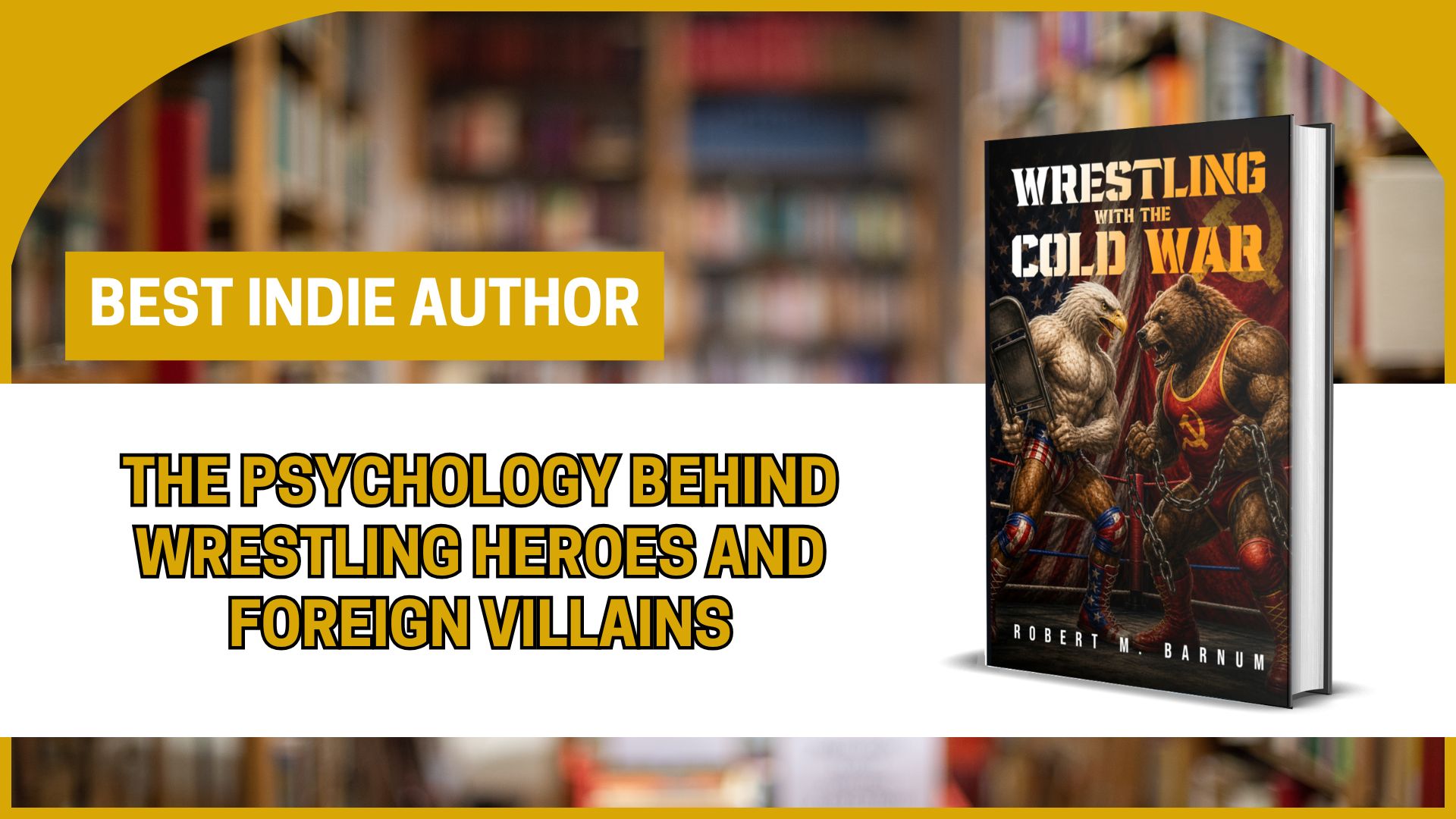
In Wrestling With the Cold War, Robert M. Barnum explores the psychology behind these unforgettable rivalries. Through historical research, interviews, fan memories, and analysis of wrestling history, the book explains how promoters used emotion, patriotism, and political symbolism to create stories that captivated millions.
For readers interested in wrestling, psychology, media, or Cold War history, Wrestling With the Cold War offers a fascinating look at why wrestling’s heroes and foreign villains became some of the most influential characters in American popular culture.