
During my years among Indigenous peoples of the Amazon, I came to understand that illness was not always viewed as something confined to the human body.
In the Western world, we usually look for a physical cause. We identify symptoms, diagnose a condition, and seek treatment. In many Amazonian traditions, however, illness can belong to a much larger picture. The individual exists within a network that includes family, community, animals, plants, rivers, forests, and the invisible world.
When something disturbs that relationship, illness may be understood as one of its consequences.
Among the Ese Eja people of the Rio Bawaja, for example, the traditional figure of the eyamitekua was closely connected with hunting and the spirits associated with forest animals. Illness could be interpreted within this relationship between human beings and the forest. Healing therefore involved more than treating a physical complaint. It could also mean restoring order.
Over the years, I encountered similar ideas in different forms. The shaman was not simply someone people consulted when they became sick. Traditionally, the shaman could also have a role in maintaining the relationship between society and nature. Knowledge of plants, animals, rituals, behavior, and the forest formed parts of a world that could not easily be separated into the categories familiar to modern society.
This does not mean that traditional medicine should be romanticized or that modern medicine should be rejected. I witnessed situations in which the differences between these approaches became painfully clear. Each system has possibilities and limitations.
The difficulty begins when one system assumes that the other has nothing worth hearing.
Traditional knowledge is disappearing in many places. Elders die without having transmitted what they know. Younger generations move away from practices that once formed part of everyday life. Forests are altered or destroyed, taking medicinal species and the knowledge associated with them along with them.
If we lose this knowledge, we lose more than remedies.
We lose another way of understanding the place of human beings within the living world.
After decades of working with Indigenous communities and medicinal plants in the Peruvian and Ecuadorian Amazon, I began to see that the question of health could not always be separated from the question of how we live.
What happens to us when the forest disappears?
What happens when communities lose their land, their plants, their language, and the knowledge of their elders?
Perhaps health is not only about repairing the body when something goes wrong. Perhaps it also asks whether we are living in balance with the world that makes our lives possible.
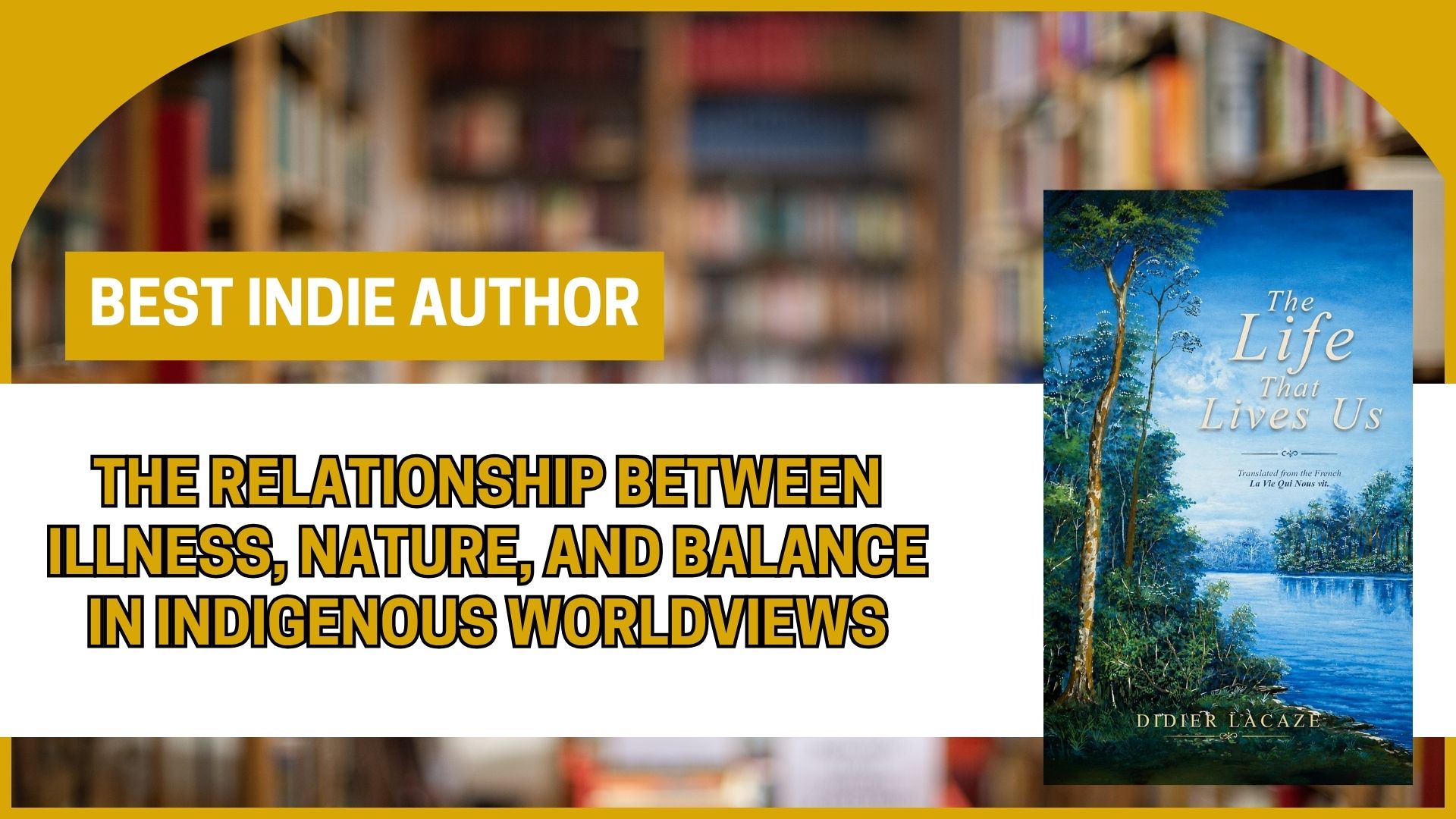
These encounters, questions, and experiences form part of my journey in The Life That Lives Us, a book about the search for truth, the knowledge of the forest, and what a lifetime of encounters taught me about the life we all share.
Read this book now, available on Amazon: https://www.amazon.co.uk/dp/B0HB6WG7S2


