Rhyming stories have long been a staple in early childhood reading, not only because they are enjoyable to hear, but because they play a meaningful role in helping young children learn how language works. The steady rhythm, repeated sounds, and predictable patterns found in rhyming books create an inviting path into reading. For many early learners, rhyme is the first doorway to understanding how words connect and how they can be remembered, recognized, and used with confidence.
At its core, rhyme helps children tune in to sound. When young readers listen to words that share similar endings or flow in a musical pattern, they begin to notice how sounds fit together. This awareness of sound is a crucial component of phonemic understanding, which is the ability to hear and identify the smallest units that comprise spoken words. Strong phonemic skills lead to greater success when children begin sounding out letters and forming words independently.
Rhyming stories also strengthen memory. Because rhyming lines repeat sound patterns, children often guess what comes next or repeat parts of the story as they listen. This repeated recall supports reading readiness by helping children connect familiar phrases with printed text. For example, when a line repeats the same beat or uses paired rhyming words, children are more likely to remember the pattern and follow along during future readings.
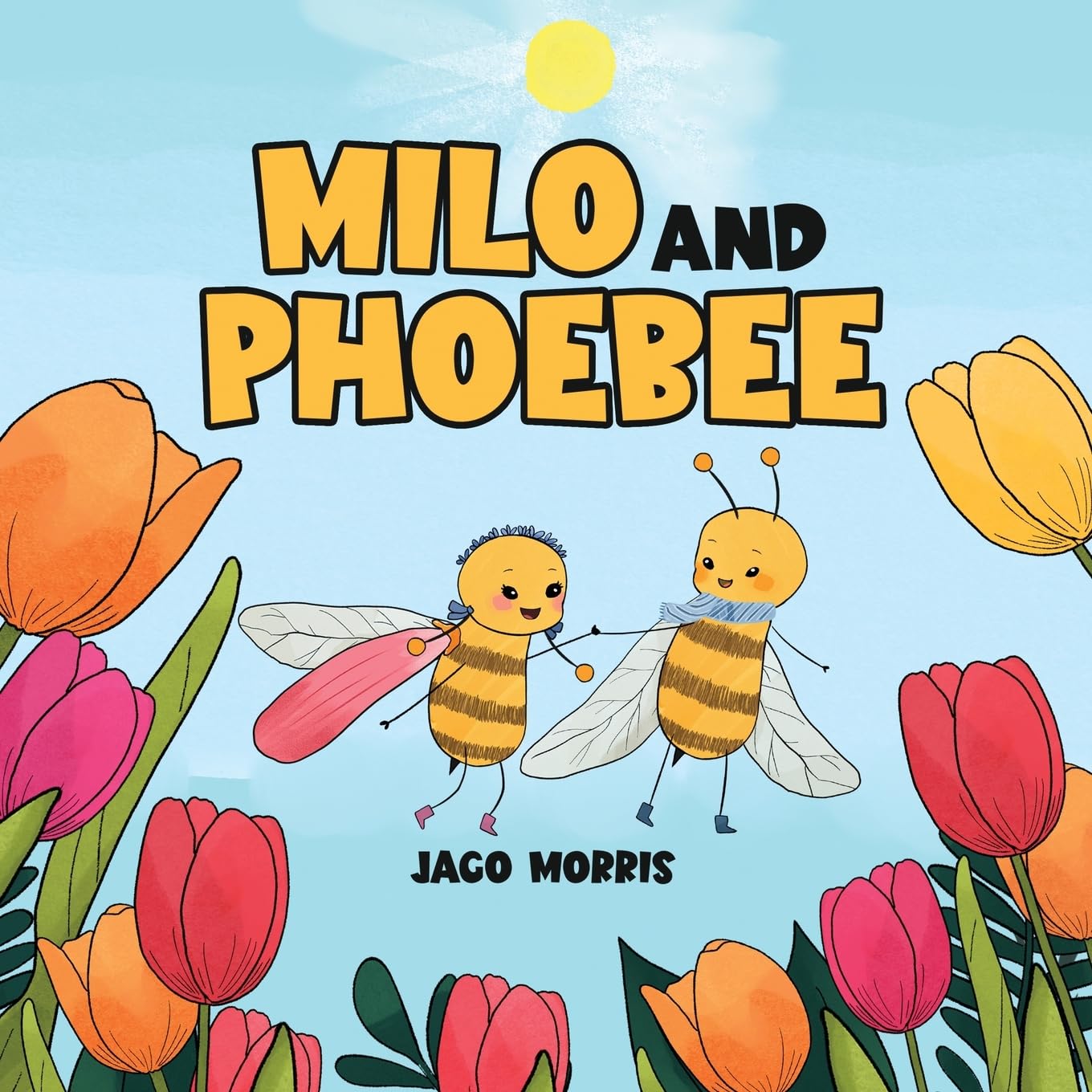
Picture books like Milo and Phoebee by Jago Morris show how rhyme can naturally guide young readers. The story uses flowing lines that follow a steady pattern, making it easier for children to listen closely and predict what might come next. When the book describes scenes such as bees buzzing in the sunshine or Phoebee wishing she could fly, the rhyming structure helps children attach meaning to sound. As they hear similar ending sounds and rhythmic phrases, they begin to link those sounds with the illustrations in front of them. It strengthens both language recognition and overall comprehension.
Examining how this book employs rhythm and rhyme reveals why these literary devices are valuable. The lines are simple, steady, and easy to follow. They guide children through the story and keep their attention without overwhelming them. For example, when the story shows Phoebee trying to flap her single wing or Milo offering support, the rhyme creates a smooth pace that keeps the focus on action and feeling. This blend of rhythm and meaning supports memory retention and helps young readers build the skills they need for future literacy.
Rhyming stories are also enjoyable to read aloud, which encourages shared reading moments between adults and children. Reading together helps children hear language spoken clearly and with expression. It also builds positive reading habits early, making books a natural and familiar part of daily routines.
For parents, teachers, and caregivers seeking to support early literacy in a gentle and engaging way, rhyming picture books provide a strong starting point. Their patterns help children hear language, remember it, and build confidence as they grow into independent readers.
To see these benefits in action, consider reading Jago Morris’s Milo and Phoebee. This warm and rhythmic story helps early learners develop strong listening and language skills while enjoying a hopeful tale of friendship and perseverance.