Few cities carry political tension as naturally as Washington and Moscow. Both are centres of national power, international influence, intelligence activity, diplomacy, security, and decisions that can reach far beyond their borders.
For a political thriller, that makes them ideal settings.
Washington presents an unusual mixture of visibility and secrecy. Government buildings, embassies, monuments, agencies, private offices, hotels, restaurants, and residential districts exist within a relatively compact area. Important people move through public spaces while sensitive decisions are made behind controlled doors only a short distance away.
That contrast creates suspense.
A quiet street can lead to a secure office. A restaurant meeting may carry consequences far beyond the people sitting at the table. A person walking through an ordinary neighbourhood may be involved in work that cannot be discussed openly.
Moscow offers a different atmosphere.
Its scale, history, architecture, winter climate, government presence, and reputation for political control create a setting where power feels heavier and more visible. Formal buildings, guarded spaces, luxury hotels, security procedures, and international business can exist alongside ordinary city life.
In fiction, Moscow can create an immediate sense of uncertainty. Visitors may understand where they are physically while knowing very little about who is watching, who holds influence, or what loyalties exist beneath the surface.
Washington and Moscow also work well together because they represent different traditions of political power.
Washington is shaped by institutions, agencies, elections, lobbying, international diplomacy, and competing centres of influence. Moscow can be portrayed through stronger concentrations of authority, security structures, personal networks, and carefully managed access.
Neither city needs to be exaggerated to create tension. Their real political importance already provides the foundation.
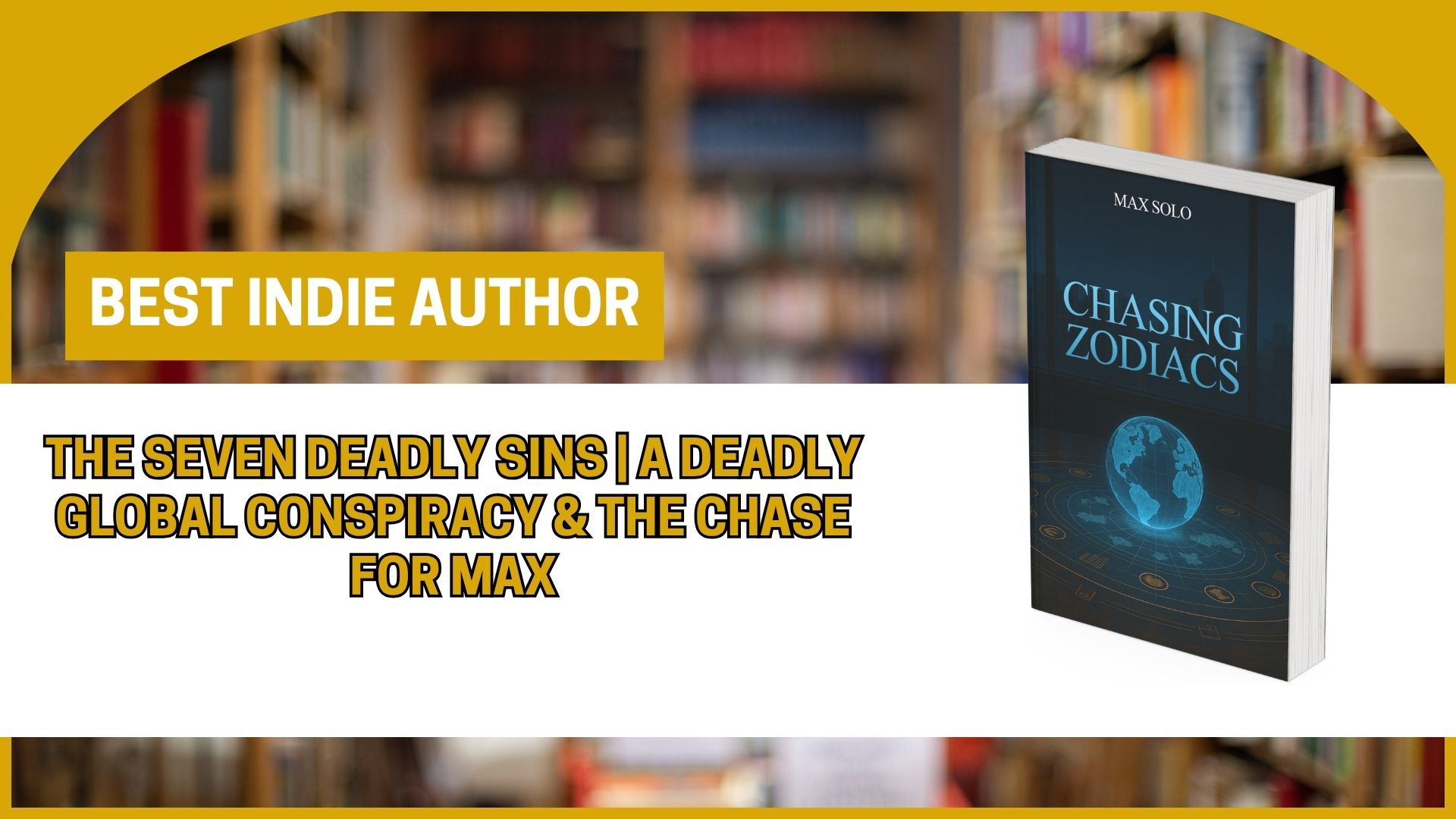
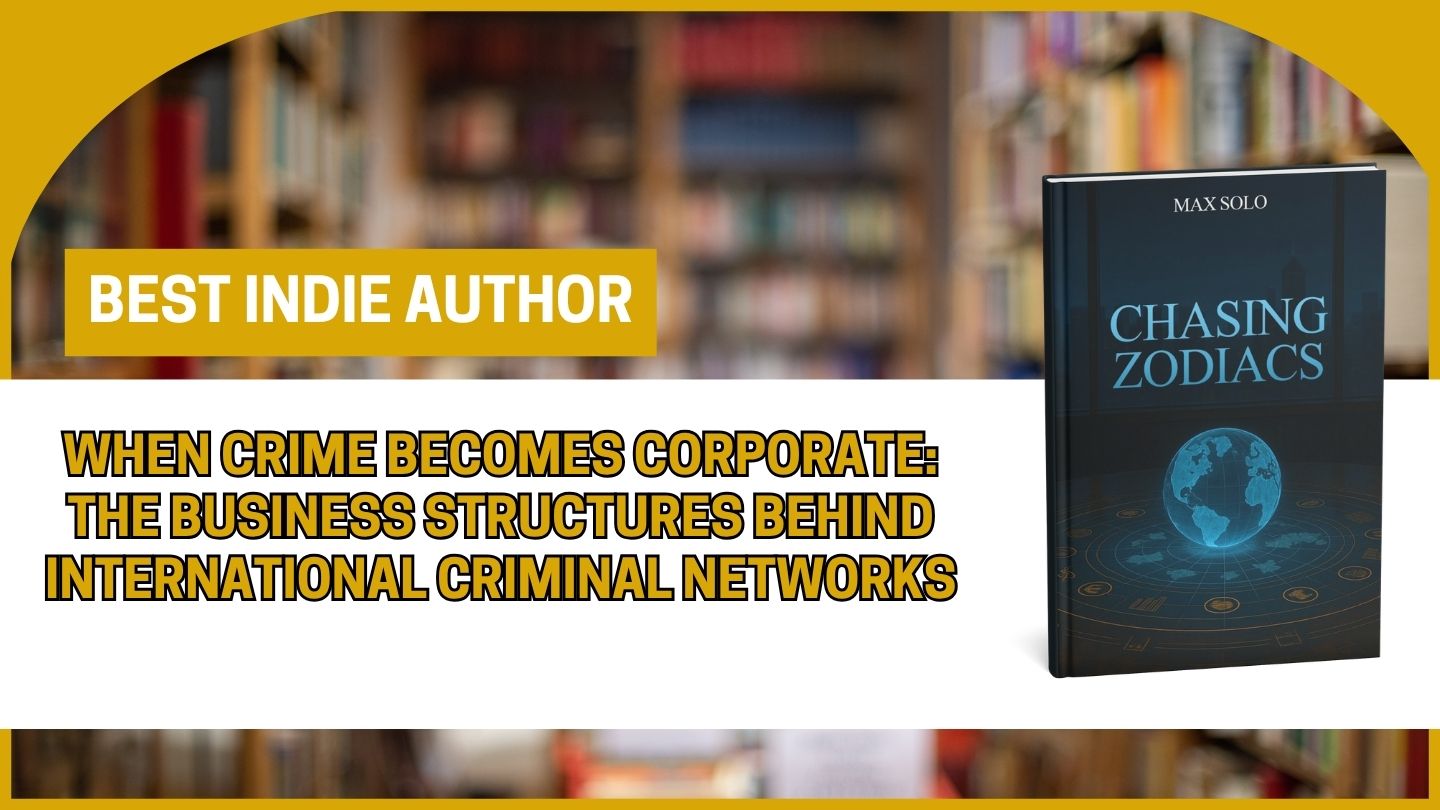
This contrast plays a major role in Chasing Zodiacs: To Repair the Soul of Humanity by Max Solo.
The novel moves through Washington and Moscow as Max investigates the Zodiac Programme, an international organisation connected to wealth, secrecy, artificial intelligence, organised crime, and powerful individuals operating across borders.
Washington becomes a place of recovery, investigation, hidden offices, surveillance, and unresolved history. Moscow becomes the setting for a tightly controlled international conference where security, strategy, competing interests, and personal survival begin to collide.
The distance between the two cities is considerable, but the world of Chasing Zodiacs makes that distance feel surprisingly small.
Information travels quickly. Decisions made in one capital affect people in another. Individuals who appear unconnected begin to occupy the same network.
That is what makes Washington and Moscow such effective settings for political suspense.
Both cities contain visible symbols of authority, but thrillers are rarely interested only in the power everyone can see.
The real tension begins with the power operating behind it.