From talking bears to brave little bees, animal stories have long been a favorite among children. But behind the fur, feathers, and buzzing wings lies something deeper. These tales often carry powerful lessons about love, courage, and compassion, helping children make sense of emotions and relationships in ways that feel natural and safe. Animals give children a way to see humanity from a softer, more imaginative point of view.
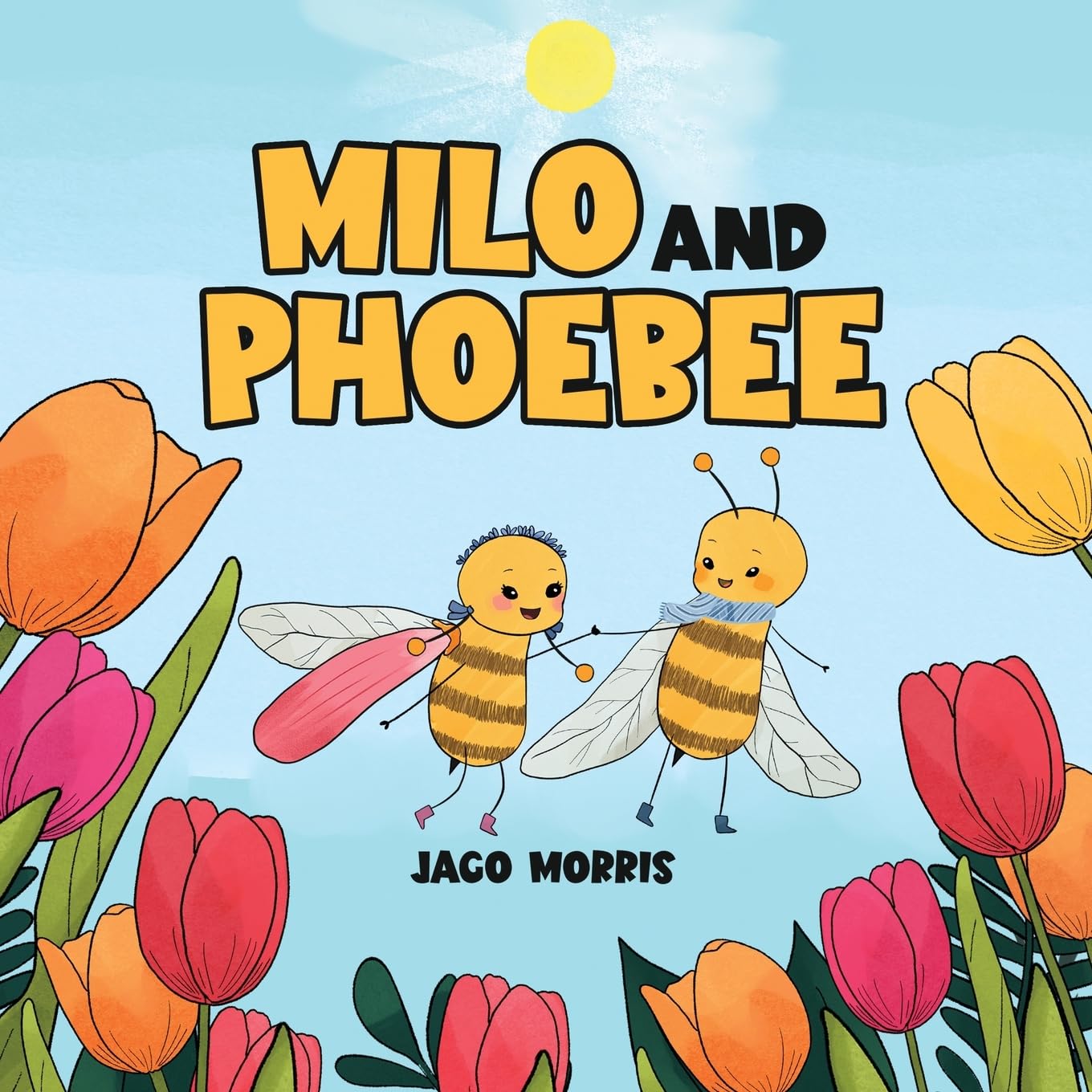
Children often find it easier to connect with animal characters than with human ones. A fox, a bird, or a bee can represent universal feelings without judgment or pressure. Through animals, young readers can explore big ideas, kindness, teamwork, difference, and bravery, without feeling like they are being told how to behave. That is exactly what happens in Jago Morris’s Milo and Phoebee, a beautifully illustrated rhyming story about two bees who teach children about friendship, empathy, and perseverance. Phoebee, a bee born with only one wing, learns to believe in herself with the help of her friend Milo. Their story reflects what it means to be human, even though the characters live in a buzzing meadow.
Animal stories also create emotional safety for children. When a character like Phoebee struggles with something difficult, such as feeling different or being left out, children can recognize their own emotions without feeling exposed. It is easier for a child to talk about how “Phoebee must have felt sad” than to say “I feel that way too.” This gentle distance allows important lessons to sink in through empathy rather than instruction. By caring about the animals in the story, children begin to understand how to care for others in real life.
Using animals as main characters also encourages imagination. Children can picture a world where bees talk, bears read, or foxes share wisdom, and through that creativity, they learn moral truths in ways that stick. In Milo and Phoebee, for example, the buzzing world of the hive becomes a symbol of community. Every bee has a role to play, and when one struggles, others step in to help. It’s a simple but powerful reflection of what real friendship and inclusion look like.
Parents and teachers have long used animal stories to teach values without lecturing. From Aesop’s fables to modern picture books, these stories translate complex human ideas into moments a child can understand. They show that kindness is stronger than pride, teamwork matters more than competition, and differences can make a community stronger.
Animal stories help children see the world through another lens, one that is full of empathy, connection, and gentle wisdom. They remind us that the traits that make us human are also what make us good.
If you are looking for a story that captures these values in a way that children can truly feel, Milo and Phoebee by Jago Morris is a perfect choice. Through the eyes of two little bees, young readers will learn that the heart, not the wings, is what makes someone truly fly.