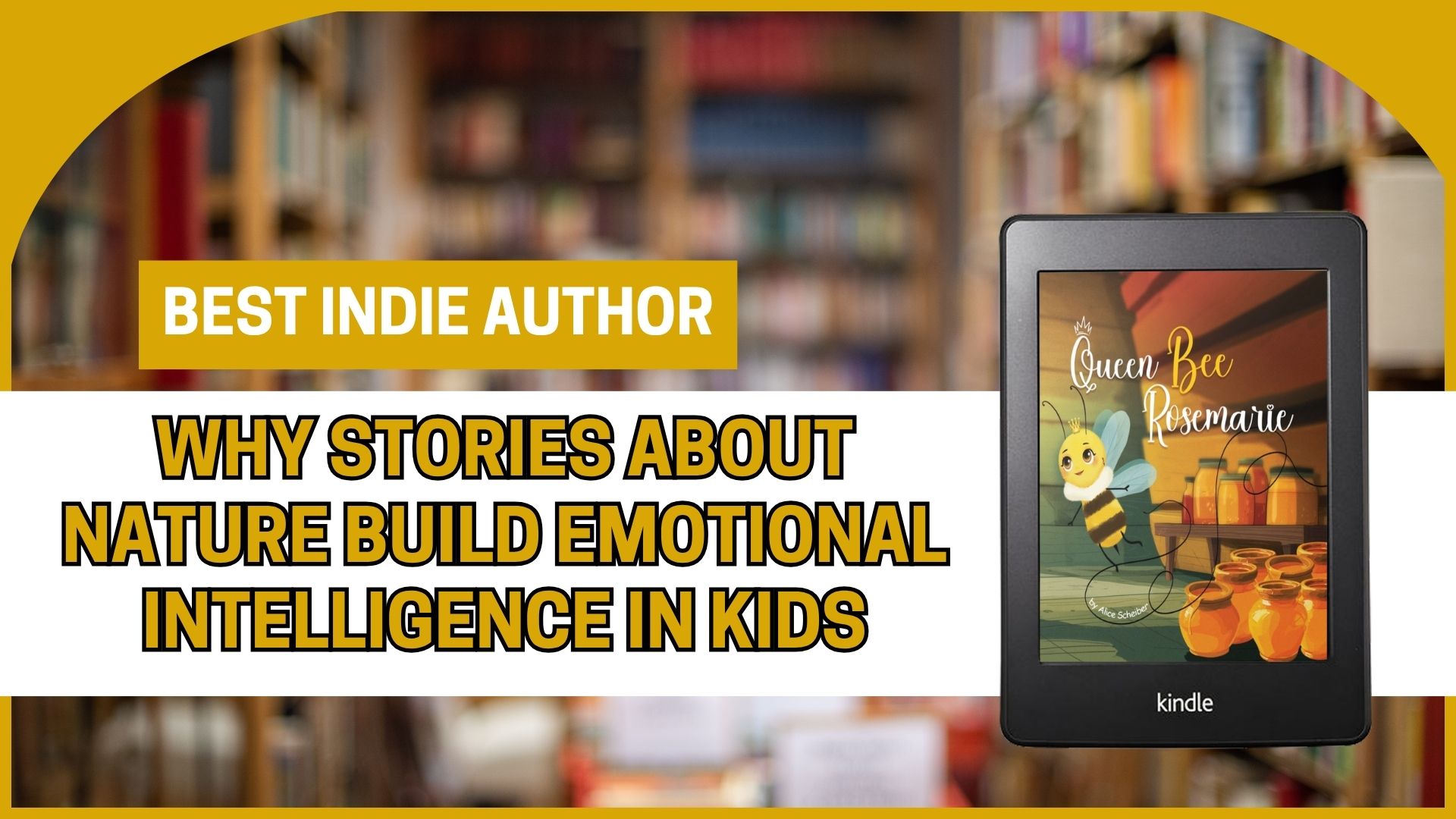
Children do not learn emotional awareness only through direct instruction. They develop it through experience, observation, and connection. Stories rooted in nature offer a powerful pathway for this growth, especially when they bring animals, environments, and human interactions together in meaningful ways. Books like Queen Bee Rosemarie, Book 1 by Alice Scheiber narration how storytelling can quietly shape a child’s emotional world.
Nature stories create distance while still feeling personal. When a child reads about a bee facing danger or a small creature needing help, they engage emotionally without feeling overwhelmed. This distance allows them to process feelings such as fear, empathy, and concern in a safe space. They begin to understand what it means to care for another being without the pressure of real life consequences.
Empathy grows naturally in these settings. When children follow a character like Rosemarie, they experience her challenges and victories as if they were their own. They feel her struggle when she becomes weak and her relief when she is helped. This emotional mirroring strengthens their ability to recognise and respond to the feelings of others. Over time, this becomes a foundation for stronger relationships in their own lives.
Nature stories also introduce cause and effect in a deeply emotional way. When environments are harmed or creatures are put at risk, children begin to connect actions with outcomes. They understand that choices matter. This awareness builds responsibility, not through rules, but through emotional understanding. A child who feels the impact of harm in a story is more likely to act with care in the real world.
Another key benefit lies in how these stories present kindness. Acts of help, no matter how small, are often central to nature based narratives. A single moment of care can change the outcome of a story. This reinforces the idea that children have the ability to make a difference. It builds confidence in their emotional responses and encourages them to act on their instincts to help.
Nature itself also plays a calming role. The imagery of fields, flowers, and animals creates a sense of peace that supports emotional balance. When children engage with these settings, they are not only learning about feelings, they are also experiencing a form of emotional regulation. This helps them process their own emotions more effectively.
Queen Bee Rosemarie, Book 1 by Alice Scheiber captures all of these elements with transparency and warmth. Through its gentle storytelling, it guides children toward understanding courage, compassion, and connection. It shows that emotional strength does not come from control, but from awareness and care.
For parents and educators, stories like this offer more than a reading experience. They become tools for shaping thoughtful, empathetic individuals. When children connect with nature through storytelling, they are not just learning about the world around them. They are learning how to understand themselves and others within it.
Read this book now on Amazon: https://www.amazon.com/dp/B0GH8YHQD3