Artificial intelligence is transforming the workplace at an unprecedented pace. From autonomous robots on factory floors to AI-powered analytics, predictive maintenance and intelligent decision-making systems, organizations are embracing AI to improve productivity, efficiency and innovation. But amid this technological revolution, one critical question often goes unanswered:
Who is protecting the people working alongside these intelligent systems?
For decades, industrial hygiene has helped organizations identify, evaluate and control workplace hazards. Traditionally, those hazards included chemical exposure, excessive noise, airborne contaminants, ergonomics and physical safety risks. Today, however, AI is introducing an entirely new category of workplace hazards, many of which are invisible.
These emerging risks extend beyond machinery and software failures. Employees may experience cognitive overload from managing complex AI systems, heightened stress from constant algorithmic monitoring, concerns about job displacement and ethical uncertainty surrounding automated decision-making. Unlike traditional occupational hazards, these challenges affect not only physical safety but also mental well-being, trust and workplace culture.
This is where ArtificIonomics introduces a groundbreaking perspective.
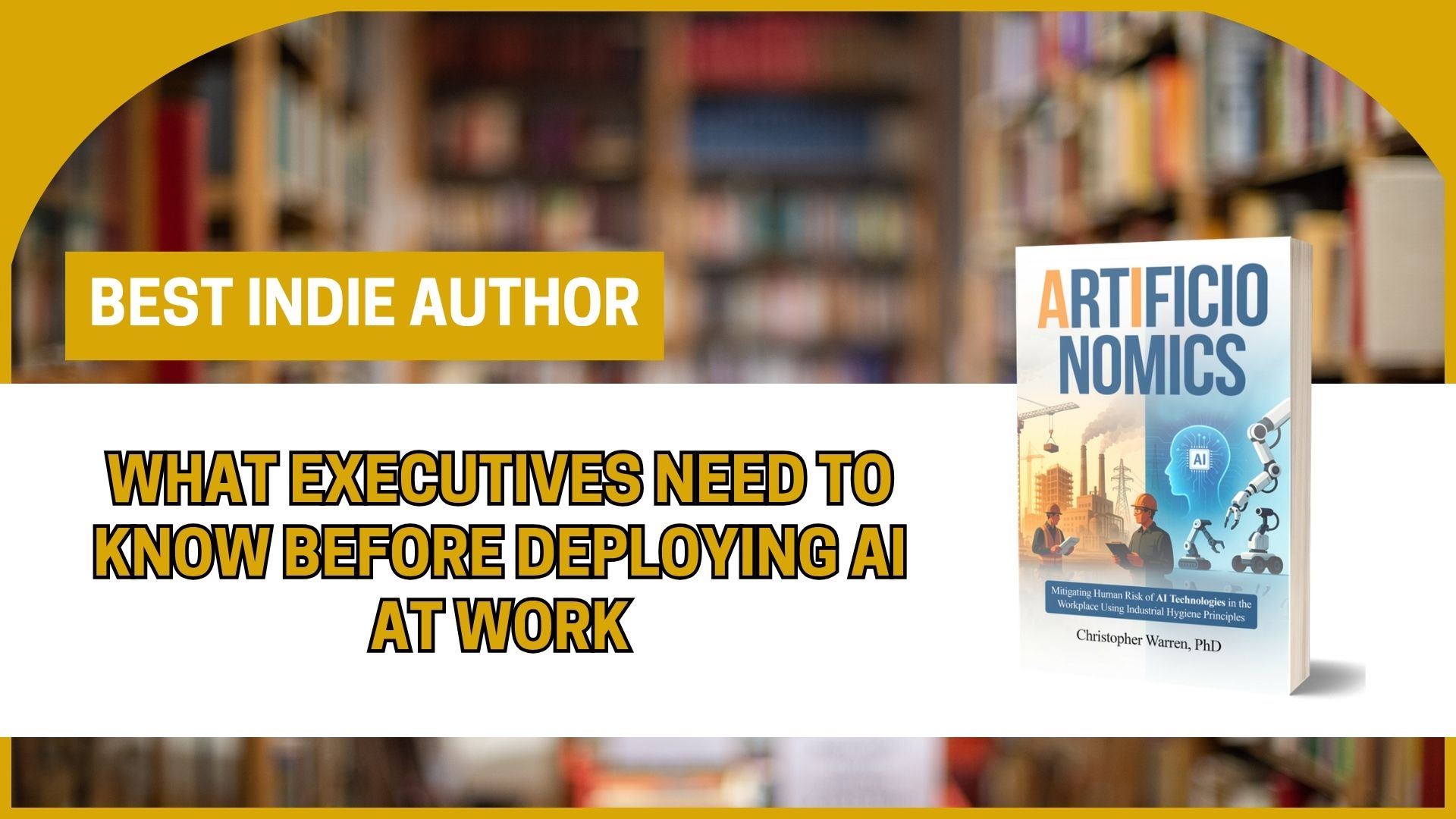
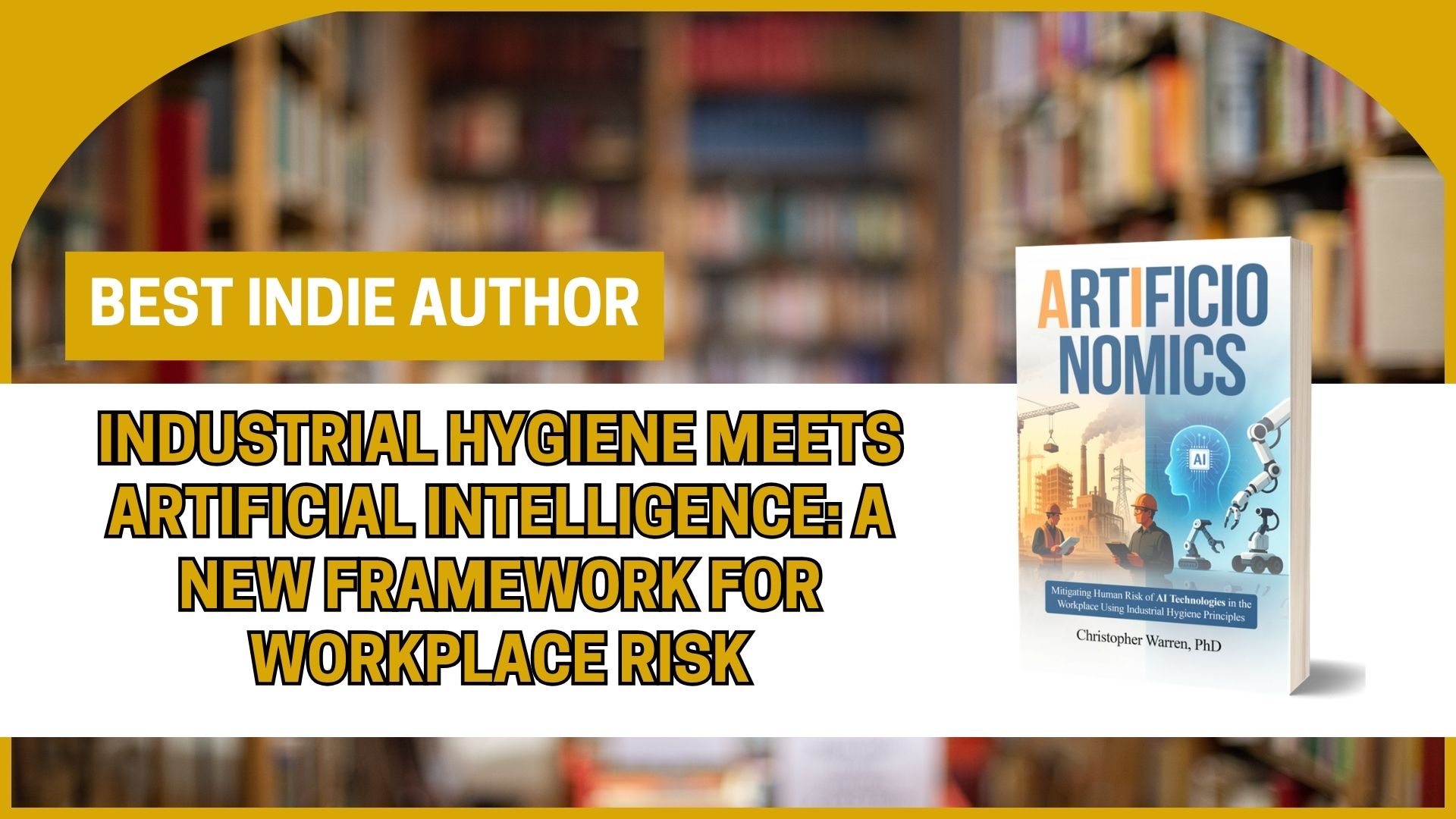
In ArtificIonomics: Mitigating Human Risk of AI Technologies in the Workplace Using Industrial Hygiene Principles, Christopher Warren, PhD, proposes an innovative framework that applies the proven principles of industrial hygiene to the age of artificial intelligence. Rather than viewing AI solely as a technological advancement, the book reframes it as an occupational health challenge that requires proactive risk management.
At the heart of this approach are the same foundational principles that have guided workplace safety professionals for generations: identify, evaluate and control hazards. The difference is that today’s hazards include algorithmic bias, AI-driven surveillance, human-robot interaction, psychological stress and digital fatigue alongside traditional physical risks.
The framework encourages organizations to ask new questions:
- How does AI affect employee well-being?
- What psychological risks arise from algorithmic management?
- How can organizations balance innovation with worker dignity?
- What controls should be implemented before AI systems are widely deployed?
By extending the hierarchy of controls into the AI era, organizations can move beyond reactive problem-solving and build safer, more resilient workplaces. Engineering controls may include transparent AI interfaces and human oversight. Administrative controls may involve AI governance policies, employee training and ethical review processes. Even personal protective measures evolve to include tools and practices that support mental health and cognitive resilience.
This human-centered approach is particularly timely. As AI becomes embedded in manufacturing, healthcare, logistics, construction, finance and critical infrastructure, leaders can no longer evaluate success solely by productivity gains. Long-term success depends equally on protecting employee health, maintaining trust and ensuring responsible technology adoption.
ArtificIonomics speaks directly to safety professionals, industrial hygienists, executives, HR leaders, AI developers, policymakers and anyone responsible for navigating the future of work. It bridges the gap between technological innovation and occupational safety, offering practical strategies, real-world case studies and a comprehensive roadmap for managing AI-related workplace risks.
The future of workplace safety is no longer defined only by hard hats, ventilation systems or machine guarding. It now includes protecting workers from the hidden human risks of intelligent technologies.
As artificial intelligence continues to reshape every industry, organizations need more than an AI strategy; they need a human strategy. ArtificIonomics provides that roadmap, demonstrating that the most successful AI-powered workplaces will be those that place people at the center of innovation.