The ideas, customs, and values that makeup African Traditional Religions (ATR) are a diverse mosaic that has been handed down through the ages. These religions are profoundly ingrained in the cultural legacy of the continent and have a profound impact on African societies’ social, spiritual, and moral life. However, there are many obstacles to maintaining these customs and beliefs in a world that is modernizing quickly. This blog examines the value of ATR in safeguarding cultural heritage and the actions necessary to keep traditional customs alive in modern society.
The Essence of African Traditional Religions
ATR includes a broad spectrum of native spiritual practices and beliefs from different African ethnic groups. These faiths are distinguished by their strong ties to the natural world, reverence for the ancestors, and belief in a supreme deity in addition to a number of lesser gods and spirits. ATR relies heavily on rituals, ceremonies, and oral traditions to preserve the social cohesion of communities and facilitate divine connection.
The Cultural Significance of ATR
Identity and Community Bonding: Among its followers, ATR cultivates a sense of identity and belonging. Many African cultures owe their cultural identity to the rituals, myths, and traditions of ATR. These customs support communal cohesiveness, values, and social standards.
Preservation of Oral Traditions: An integral part of ATR is the preservation of oral traditions. Knowledge and history are transmitted from one generation to the next via tales, proverbs, and songs. The diversity of languages and cultures across the continent is preserved through this oral transmission.
Connection to Ancestors and Nature: ATR places a strong emphasis on the necessity of coexisting peacefully with the environment and the interdependence of all life forms. Honoring the ancestors guarantees that the knowledge from earlier times will continue to influence decisions made in the present and the future.
Challenges to the Preservation of ATR
Modernization and Urbanization: The development of modern lifestyles and rapid urbanization frequently result in the deterioration of traditional customs. Younger generations may lose touch with their ancestry as a result of global cultures and technology.
Religious Conversion: The practice of ATR has decreased as a result of the growth of Islam and Christianity throughout Africa. Traditional beliefs and practices have been marginalized by conversion efforts, which have occasionally been combined with cultural integration.
Globalization: This phenomenon presents both possibilities and difficulties. Although it promotes cross-cultural interaction, it can also weaken native customs, homogenizing civilizations.
Efforts to Preserve ATR
Education and Documentation: It is imperative that ATR be taught and documented in communities and schools. Oral customs, rites, and practices are preserved for future generations when they are documented.
Cultural Festivals and Celebrations: One way to rekindle interest and pride in ATR is to plan and promote cultural festivals that highlight traditional rites, music, dance, and art. These gatherings offer forums for information transfer between generations.
Integration with Modern Practices: Traditional ideas can remain relevant by figuring out how to incorporate them into contemporary living. An example of a holistic approach to health and well-being is the integration of traditional healing methods with contemporary healthcare systems.
Policy and Legal Support: Governments and organizations can play a critical role in recognizing and assisting in the preservation of ATR through laws and policies that safeguard cultural heritage.
Conclusion
African traditional religions, which provide a distinct worldview and a strong link to lineage and nature, are an essential part of the continent’s cultural legacy. It takes coordinated efforts by communities, educational institutions, governments, and cultural organizations to preserve these traditions in the modern world. We respect Africa’s unique cultural diversity and make sure that future generations can benefit from the power and knowledge inherited from their ancestors by appreciating and maintaining ATR. ATR can flourish going forward, adding to the rich tapestry of world cultures through celebration, education, and assimilation.
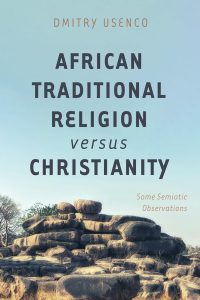
Discover the profound insights of preserving cultural heritage in a modern world with Dmitry Usenco’s book, African Traditional Religion versus Christianity: Some Semiotic Observations. This groundbreaking work offers a semiotic reading of spirituality, highlighting the significance of African Traditional Religions as a vital component of cultural heritage and a valid partner to Christianity in creating a pluralistic society. Don’t miss this opportunity to explore the intersections of culture, religion, and meaning. Get your copy today from here: https://www.amazon.com/dp/1725271605 , and join the journey to appreciate and preserve the rich cultural traditions of Africa for future generations.