Value based care is designed to reward better outcomes rather than a higher volume of services. It encourages healthcare organizations to improve quality, prevent complications, reduce unnecessary hospital use, and manage costs more carefully. Yet one essential part of this model often receives too little attention: the patient.
Healthcare providers can develop treatment plans, prescribe medications, order tests, and recommend lifestyle changes. However, the patient must carry out most of these instructions after leaving the clinic. When patients do not understand their care, feel unprepared to manage their condition, or lack the confidence to participate, even a well designed treatment plan can fail.
Patient engagement means more than giving people medical information or asking them to follow instructions. It means involving them in decisions, listening to their concerns, explaining options clearly, and helping them understand how their daily actions affect their health.
An engaged patient is more likely to ask questions, report symptoms, attend appointments, take medications correctly, and communicate when a treatment plan is difficult to follow. These actions can help providers identify problems earlier and make changes before a condition becomes more serious.
This matters greatly in value based care because many outcomes are shaped between medical visits. A patient managing diabetes must make daily decisions about food, medication, physical activity, and blood sugar monitoring. A person with heart disease must recognise warning signs and follow a care plan consistently. The quality of clinical care remains important, but its success depends partly on what the patient does at home.
Healthcare organizations must create conditions that support participation. Providers should use clear language, confirm that patients understand their instructions, identify practical barriers, and agree on realistic goals. Digital reminders, health coaching, patient portals, and remote monitoring can also help patients remain connected to their care.
Patients must accept responsibilities as well. They should communicate honestly, ask for clarification, report difficulties, and take reasonable action on agreed recommendations. Engagement works best when it is supported by accountability.
Without patient engagement, value based care remains incomplete. A healthcare system cannot improve outcomes while overlooking the person who makes most health related decisions each day.
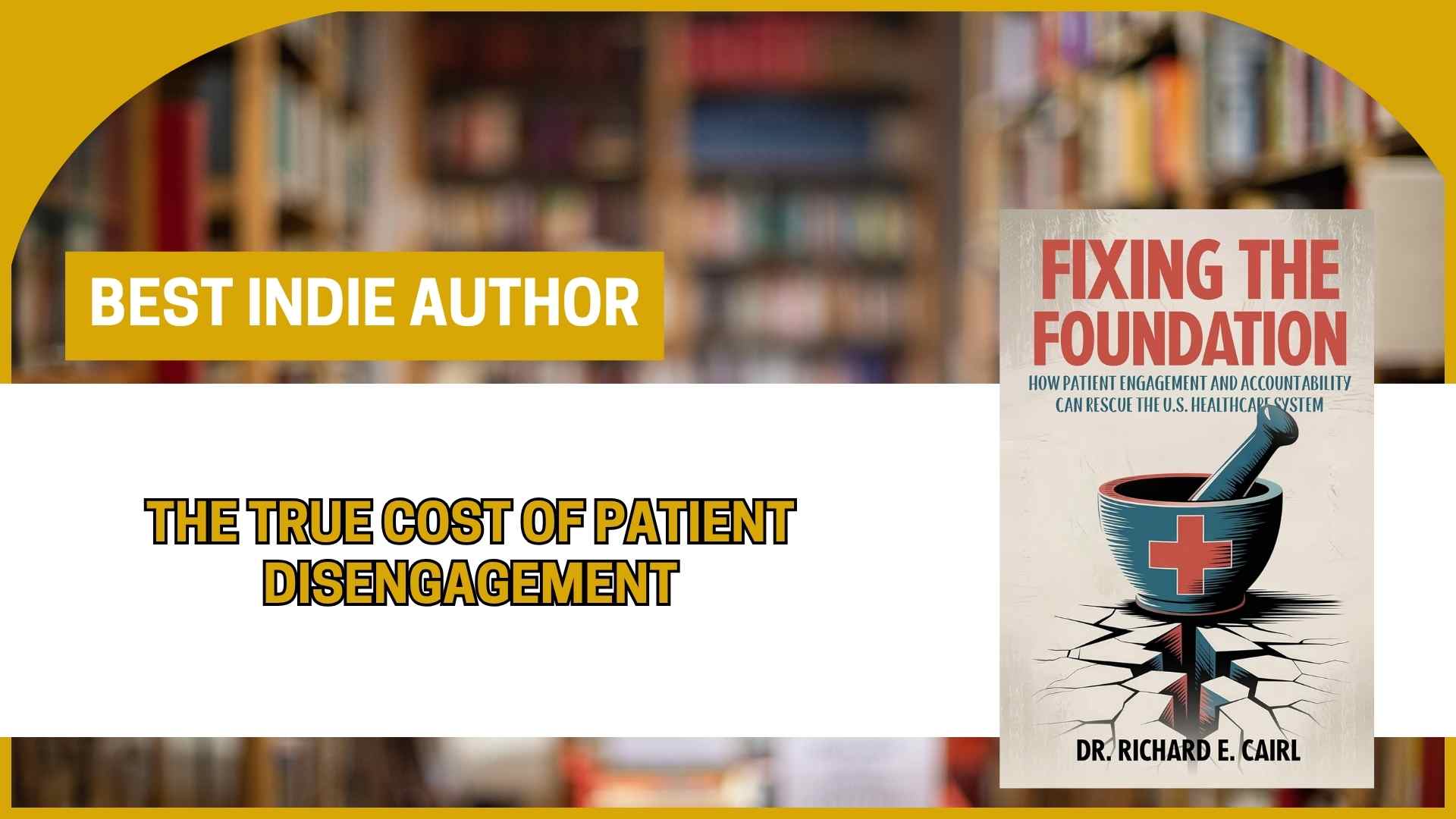
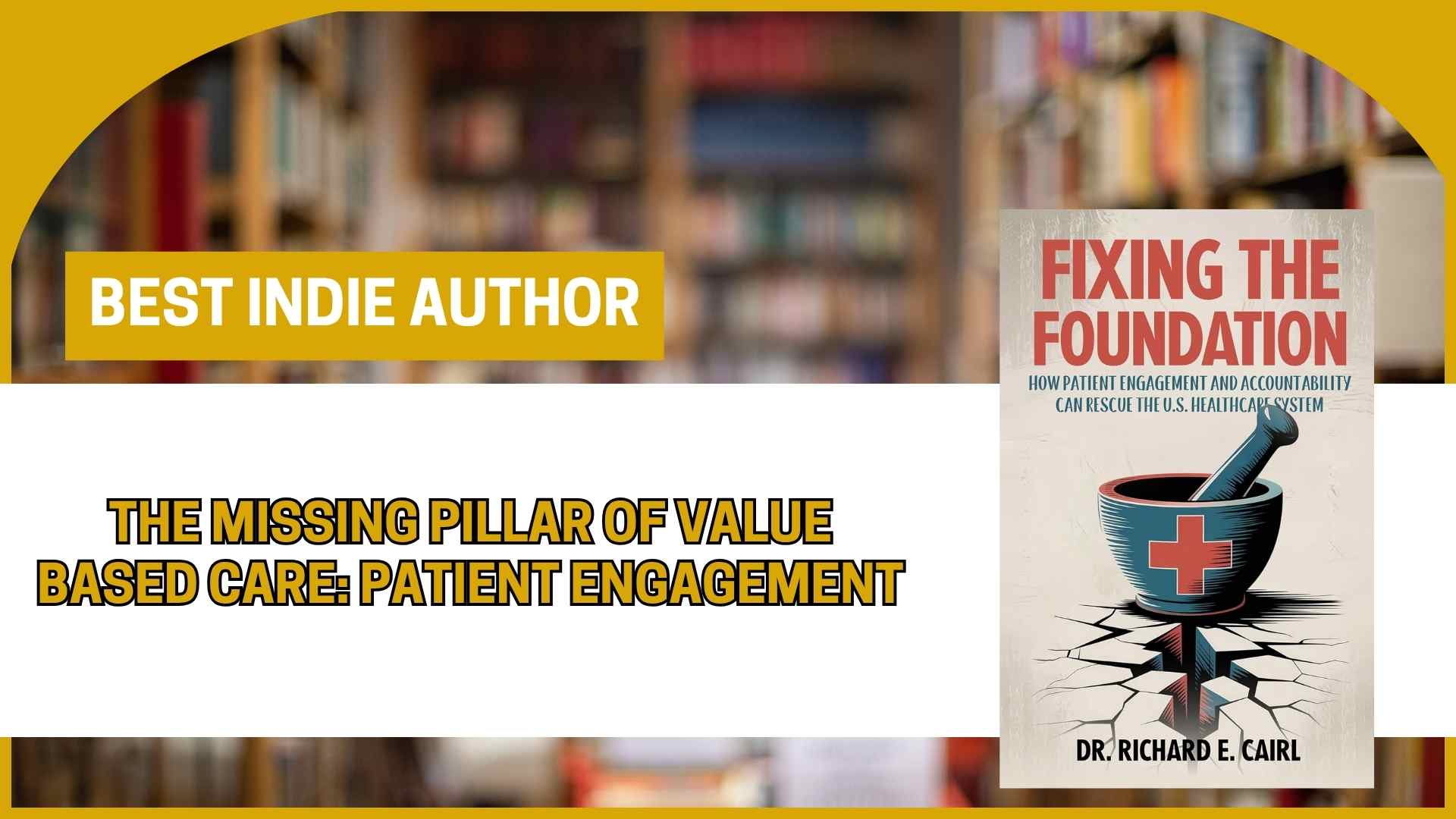
In Fixing the Foundation: How Patient Engagement and Accountability Can Rescue the U.S. Healthcare System, Dr. Richard E. Cairl explains why patients must become active partners in care. The book examines how providers, policymakers, healthcare organizations, and patients can share responsibility for improving outcomes and controlling costs.
Value based care cannot succeed through payment reform alone. It also requires informed, supported, and involved patients.
Get your copy today: https://www.amazon.com/dp/B0GRCRBKB6/