Guests sitting in a hotel dining room usually see polished cutlery, neatly arranged tables, and plates of food arriving at the expected time. What they do not see is the frantic world behind the kitchen door.
A hotel kitchen is driven by pressure. Breakfast must be prepared while most people are still asleep. Lunch follows before the washing up is finished, and dinner service is never far away. When a coach party arrives early or a chef fails to appear, the remaining staff must somehow keep everything moving.
Every kitchen develops its own order. The head chef gives instructions, junior chefs handle preparation, kitchen porters tackle endless piles of dirty equipment, and waiting staff rush between the dining room and serving area. One delay can disrupt the entire service. A burnt dish, missing ingredient, broken appliance, or unexpected dietary request can quickly create chaos.
The staff also learn that humour can make an exhausting shift bearable. Practical jokes, nicknames, arguments, and unlikely friendships become part of daily life. The same people who shout at one another during service may share a drink and laugh about it afterwards.
Sometimes the jokes go too far. Flour, food waste, frozen shoes, tampered drinks, and carefully planned tricks may amuse the people involved, but they can also expose the rougher side of an old fashioned workplace. Behaviour once dismissed as kitchen banter might now be recognised as bullying or a serious safety risk.
Hotel employees see guests at their best and worst. They hear complaints about portions, prices, rooms, entertainment, and service. They deal with customers who believe paying for a modest holiday gives them the right to demand anything. Remaining polite becomes a performance, especially when the staff know what is being said in the kitchen.
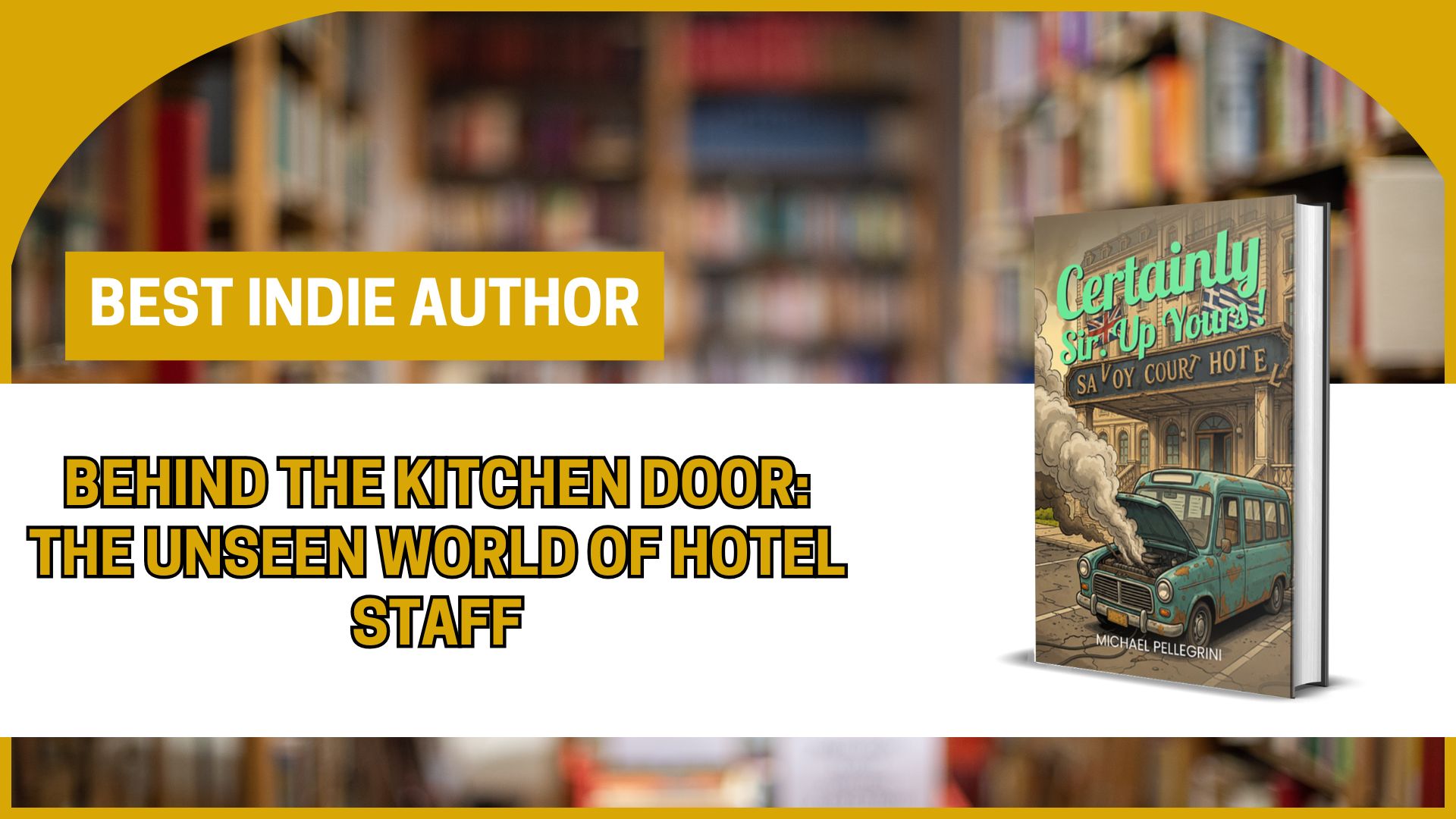
Michael Pellegrini’s Certainly Sir. Up Yours! opens the door to this hidden world. Set in the fictional Savoy Court Hotel in Margate, the book draws on his experience in hospitality and recalls a time when hotel kitchens were loud, unpredictable, and ruled by strong personalities.
Through the sharp observations of narrator Frank Tolley, readers meet useless chefs, overworked relatives, practical jokers, difficult guests, and staff who will do almost anything to survive another service. The language is blunt, the humour is outrageous, and nobody escapes ridicule.
Anyone who has worked in hospitality will recognise the pressure, frustration, loyalty, and laughter. Anyone who has only stayed in hotels may think twice before complaining to the chef.