Every nurse has experienced it—that moment when the atmosphere suddenly changes. A patient’s condition deteriorates, alarms begin to sound, and a routine shift instantly turns into a race against time. In these situations, clinical knowledge is essential, but knowledge alone is not enough. The ability to remain calm, focused, and effective under pressure often makes the difference between feeling overwhelmed and performing with confidence.
Nursing is one of the few professions where people are expected to make critical decisions while managing intense emotions, uncertainty, and responsibility. It is no surprise that stress can sometimes feel overwhelming. Yet some nurses seem to thrive in these demanding moments. What sets them apart is not a lack of fear or anxiety. Instead, it is their ability to manage those emotions and continue performing effectively.
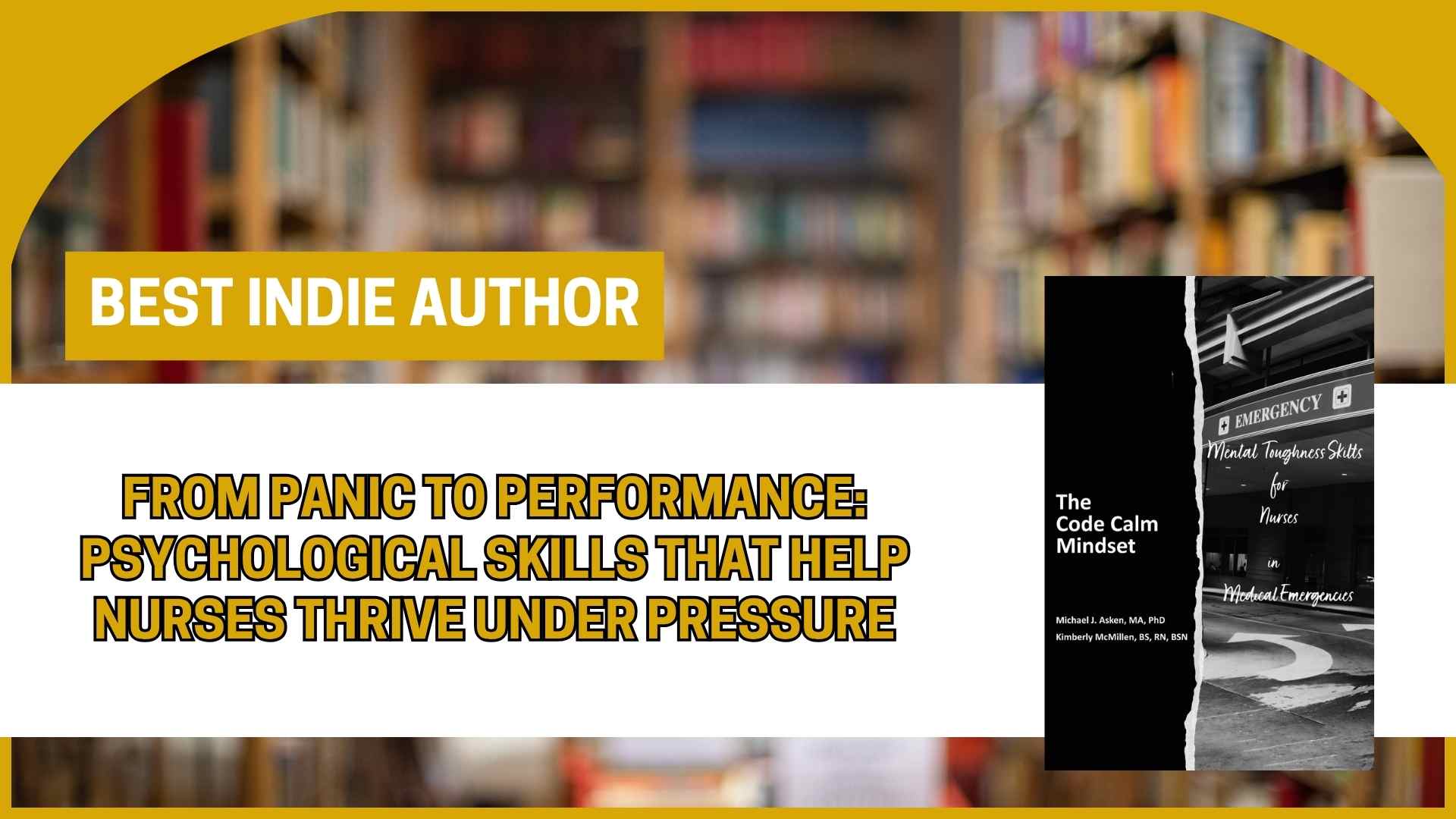
In The Code Calm Mindset, author Michael J. Asken explores the psychological skills that help healthcare professionals perform at their best during emergencies. These skills are not reserved for a select few. They can be learned, practiced, and strengthened over time, just like any clinical procedure.
One of the most valuable skills is confidence. Confidence is often misunderstood as believing you will never make mistakes. In reality, true confidence comes from trusting your preparation and training. When nurses trust their abilities, they are less likely to become distracted by self-doubt during critical situations. This allows them to focus their attention where it matters most—on patient care.
Another important skill is attention control. Medical emergencies can create a flood of information, emotions, and distractions. Successful nurses learn how to filter out unnecessary noise and concentrate on the most urgent priorities. This ability helps them think more clearly and respond more effectively when time is limited.
Mental rehearsal is another powerful tool discussed in The Code Calm Mindset. By mentally practicing emergency scenarios before they occur, nurses can prepare their minds to respond more efficiently in real-life situations. Athletes and military personnel have used visualization techniques for years, and healthcare professionals can benefit from them as well. When the unexpected happens, the mind is often better prepared because it has already “been there” before.
What makes this topic especially meaningful is the human side of nursing. Behind every uniform is a person who experiences stress, fatigue, and emotional challenges. Nurses carry the weight of difficult outcomes, long hours, and the desire to provide the best possible care. Michael J. Asken reminds readers that mental toughness is not about becoming emotionally distant. It is about learning how to remain compassionate while maintaining control during difficult moments.
Self-talk also plays a major role in performance. The words people say to themselves can either build confidence or increase anxiety. Replacing thoughts such as “I can’t handle this” with “I’ve trained for this” can have a powerful impact on mindset and performance.
Ultimately, thriving under pressure is not about eliminating stress—it is about managing it effectively. The lessons shared in The Code Calm Mindset demonstrate that psychological skills are just as important as technical skills in healthcare. As Michael J. Asken explains, when nurses strengthen their minds alongside their clinical abilities, they become better equipped to transform panic into performance and provide exceptional care when patients need them most.