Profound loss can change the way a person sees the world, the future, and even themselves. After the death of a spouse, healing may feel impossible, disloyal, or too distant to imagine. Some people fear that feeling better means forgetting the person they loved. Others believe they must remain strong for their family and quietly carry their pain. Yet healing does not erase love. It creates room for grief and hope to exist together.
Giving yourself permission to heal begins with accepting that there is no fixed schedule. Grief does not follow a predictable path. One day may feel manageable, while the next may bring intense sadness, exhaustion, or loneliness. This does not mean progress has been lost. It means grief is being experienced honestly.
Healing also requires freedom from unrealistic expectations. Friends and relatives may want to help, but they may not understand the depth of the loss. They may expect routines to return quickly or assume that time alone will resolve the pain. A grieving person has the right to move at a personal pace, set boundaries, and ask for space or support when needed.
Self compassion is essential during this process. Profound loss can make ordinary responsibilities feel overwhelming. Preparing a meal, answering a message, or getting through the day may require tremendous effort. These small actions deserve recognition. Healing is often built through quiet choices that may not appear significant to others.
Writing can provide a safe place to explore these emotions. Guided journaling offers gentle questions that help a person identify what they are feeling and what they need. It can make space for memories, anger, gratitude, fear, and uncertainty without requiring immediate answers. A blank page does not judge, interrupt, or demand that grief be explained.
Permission to heal may also mean allowing moments of happiness to return. Laughter, rest, friendship, and future plans do not diminish the relationship that was lost. Love remains part of a person’s life story. Beginning to experience joy again is not a betrayal. It is evidence that the heart can continue carrying love while learning to live differently.
Healing does not require becoming the person you were before the loss. Widowhood may reshape identity, priorities, and dreams. The goal is not to restore an unchanged past, but to discover how to move forward with tenderness, courage, and respect for everything that has been endured.
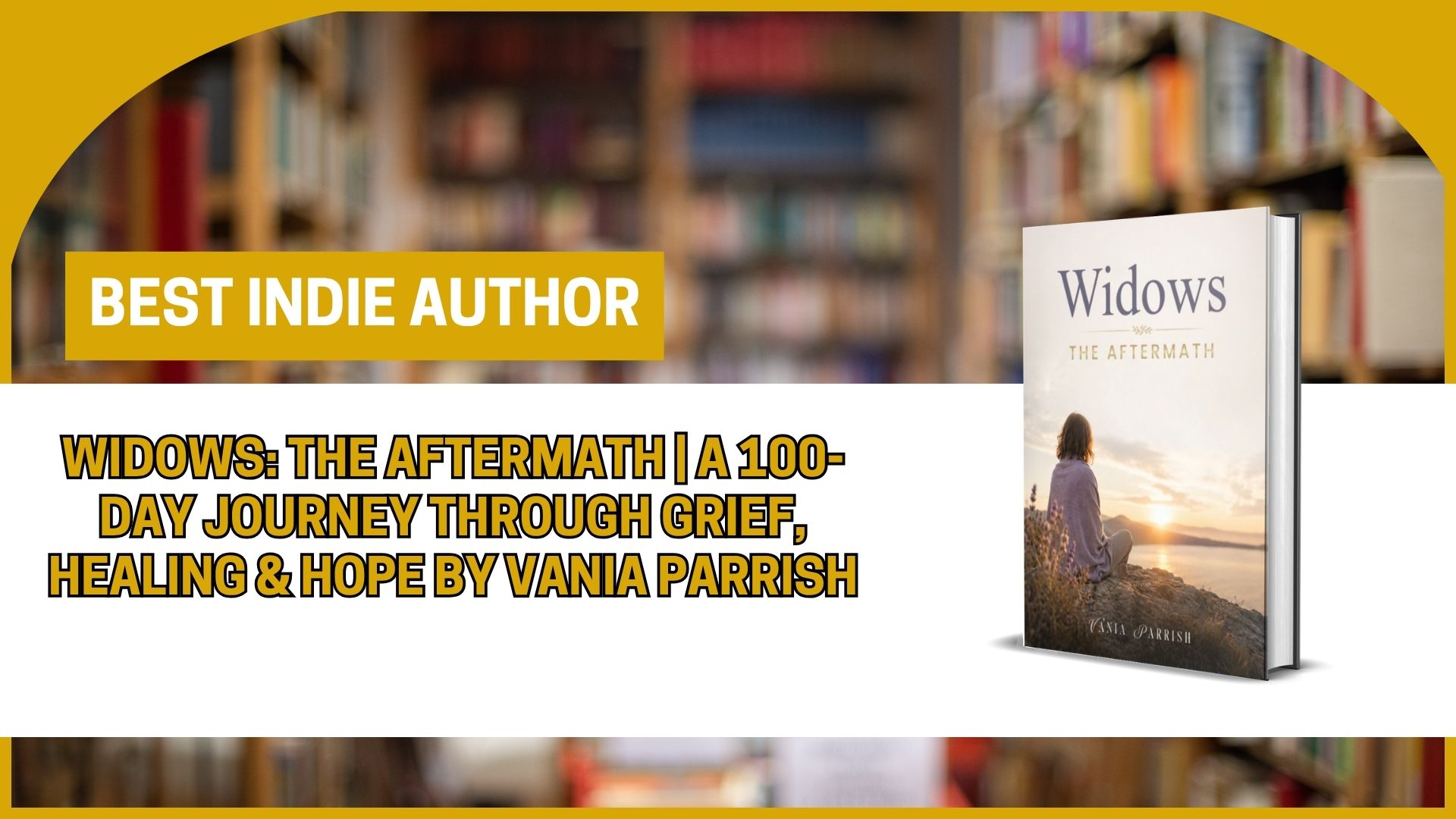
Widows: The Aftermath offers a compassionate 100 day guided journey through affirmations, reflections, and writing prompts. It encourages readers to approach grief one day at a time, without pressure or judgment. Each page creates space to feel, remember, rebuild, and recognise that healing is allowed. Through its gentle structure, the journal reminds widows that continuing forward does not mean leaving love behind.