Love often appears effortless at the beginning of a relationship. Two people feel drawn to each other, conversations flow naturally, affection comes easily and closeness seems almost automatic. However, as a relationship deepens, love begins to reveal the emotional habits, fears, expectations and unresolved wounds each partner brings into the connection. This is where lasting intimacy becomes more than a feeling; it becomes emotional work.
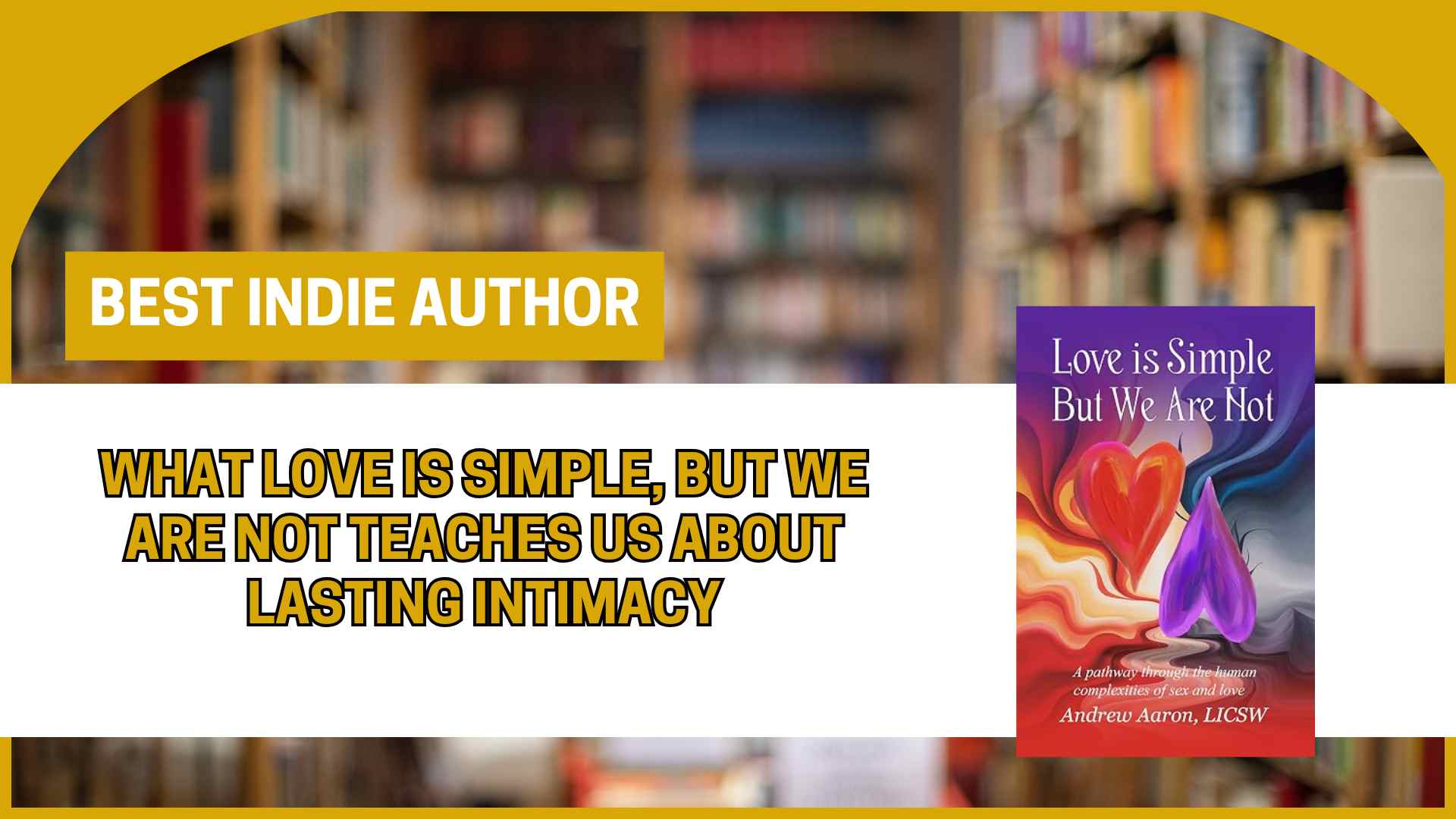
In Love Is Simple, But We Are Not: The Pathway Through the Human Complexities of Sex and Love, Andrew Aaron, LICSW, explores why loving someone can feel so difficult even when love itself seems simple. Drawing from more than three decades of professional observations, Aaron examines the repeated emotional and behavioral patterns that influence sex, communication, trust, pleasure, conflict and long-term relationships. His goal is to help readers develop greater self-awareness and improve the way they love.
One of the book’s most important lessons is that intimacy is not the same as physical closeness. Sex can be intimate, but intimacy requires emotional openness. It asks partners to reveal their fears, weaknesses, needs and imperfections without hiding behind defensiveness or distance. This vulnerability can feel uncomfortable because deeper relationships often awaken unresolved emotions from earlier experiences.
Aaron explains that discomfort does not necessarily mean a relationship is failing. In many cases, it means the relationship has reached a deeper stage where both partners are being challenged to grow. Love relationships always demand growth. Lasting intimacy develops when couples remain open, honest and willing to work through those uncomfortable moments instead of avoiding them.
Communication is another essential part of lasting connection. Partners may genuinely love each other while still failing to express that love in ways the other person can feel. One partner may show devotion by being dependable, while the other needs affectionate words, attention or physical touch. The book encourages readers to stop assuming that a loving partner should automatically know what is needed. Instead, couples must teach each other how they wish to be loved.
This teaching should come through kindness rather than criticism. Anger, blame and punishment usually create defensiveness, while clear and caring requests make positive change more likely. Aaron reminds readers that each person is the expert on their own emotional needs and sharing those needs gives a partner a better chance to succeed.
The book also emphasizes emotional safety. When vulnerable feelings are repeatedly dismissed, judged or used against someone, those feelings begin to “hibernate.” Partners stop speaking openly because silence feels safer than the risk of being hurt. Over time, this emotional withdrawal creates loneliness, resentment and disconnection.
Love Is Simple, But We Are Not offers an honest view of intimacy as both rewarding and demanding. Lasting love is not created by chemistry alone. It grows through self-acceptance, emotional strength, thoughtful communication, physical affection, mutual understanding and the courage to remain open.
For readers who want to understand their relationships more deeply, Andrew Aaron’s book offers a compassionate pathway through the complicated work of loving well.