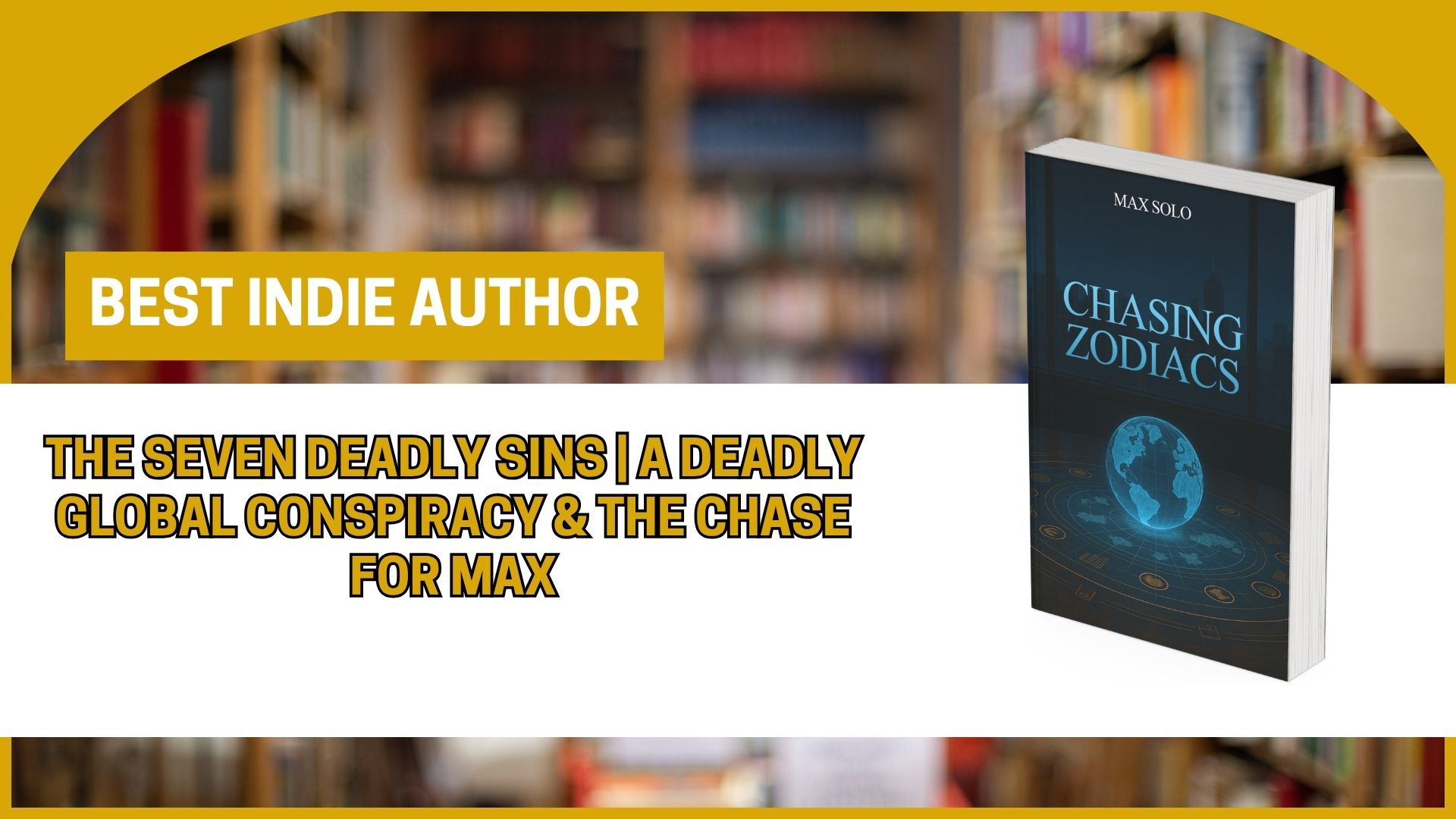
You might have read many stories. But John N is different. From the beginning of the pages, John lives carefully. He chooses his words. He watches his surroundings. He keeps parts of himself locked away. Totino presents this not as paranoia, but as habit. It is the result of a life shaped by secrecy and survival. For a time, this approach seems to work. John blends in. He stays unnoticed. He builds something close to stability.
Until the outside world starts pressing closer. After the discovery of severed heads in the surrounding area, this harrowing discovery changes the tone of the story. The violence does not explode onto the page. Instead, it seeps in through conversations and warnings. A phone call here. A report there. Each detail lands with quiet force. The pattern is disturbing, and John knows it. What unsettles him most is not just the brutality, but the proximity.
Totino uses these moments to show how quickly control can slip. John’s reactions are measured, but his thoughts are not calm. The reader gains insight into a man who has spent most of his life avoiding attention and is now forced to consider what happens when attention arrives anyway.
The presence of the police heightens this tension. Their snowmobiles cutting across the frozen lake feel intrusive. The questions they ask seem reasonable on the surface, yet every one of them carries risk. Totino does not turn these scenes into action set pieces. Instead, he lets discomfort do the work. John watches. He listens. He calculates.
What makes these scenes effective is how personal the stakes feel. John is not worried about being caught in a crime. He is worried about being seen too clearly. Names, documents, and past identities hover just beneath the surface. Each interaction threatens to pull at threads he would rather leave untouched.
Kristin’s presence adds another layer. Through their conversations, the reader sees John grappling with change. He wants connection, but connection brings exposure. He wants peace, but peace requires openness. Totino allows these contradictions to exist without resolution. John’s struggle feels ongoing, not symbolic.
As the killings continue, the sense that silence may no longer be enough grows stronger. John begins to consider action, not out of aggression, but out of self-preservation. This shift is subtle but meaningful. It suggests that the life he has built may not survive unchanged.
By the time the story reaches its later moments, the reader is left with a pressing question. Can John remain hidden in a world that is slowly turning its attention toward him? Or has the very silence that kept him safe become the thing that puts him at risk?
The book does not answer this outright. Instead, it leaves the reader standing at the edge of that question, waiting to see which way John will move next. If you are willing to know what path John will choose next, reading this book will lead you to a conclusion.
Follow a man living under an assumed name, trying to build a calm and ordinary existence after years shaped by isolation and danger. When a series of disturbing events begins to unfold nearby, the fragile balance he has created is slowly threatened, forcing him to confront who he is and what he has left behind. Told with restraint and emotional control, the novel focuses less on spectacle and more on inner conflict, memory, and moral responsibility. John N is a thoughtful character study that examines what it means to live with the consequences of a hidden past while attempting to move forward without drawing attention to oneself.
Head to Amazon to purchase your copy: https://www.amazon.com/dp/1970440376.